

Ethyl Silicate 32, a compound that has been gaining significant traction in the field of polymer synthesis, is an area of interest that I'm particularly passionate about as a supplier of this remarkable substance. In this blog, I'll delve into the multifaceted role of Ethyl Silicate 32 in polymer synthesis, exploring its properties, applications, and the benefits it brings to the table.
Understanding Ethyl Silicate 32
Ethyl Silicate 32, also known as tetraethyl orthosilicate (TEOS) oligomer, is a colorless, low - viscosity liquid with a characteristic odor. It is a partially hydrolyzed and condensed product of tetraethyl orthosilicate. The "32" in its name refers to the approximate silicon dioxide (SiO₂) content by weight. This compound is highly soluble in common organic solvents such as ethanol, toluene, and xylene, which makes it a versatile candidate for various chemical processes.
Role in Polymer Synthesis
Cross - linking Agent
One of the primary roles of Ethyl Silicate 32 in polymer synthesis is as a cross - linking agent. In the presence of water and a catalyst, Ethyl Silicate 32 undergoes hydrolysis to form silanol groups (Si - OH). These silanol groups can then react with other functional groups present in polymers, such as hydroxyl groups, to form covalent bonds. This cross - linking process significantly enhances the mechanical properties of the polymer, including its strength, hardness, and resistance to abrasion.
For example, in the synthesis of epoxy polymers, Ethyl Silicate 32 can be added to create a three - dimensional network structure. The cross - linking provided by Ethyl Silicate 32 improves the epoxy's adhesion to substrates, making it more suitable for applications such as coatings and adhesives.
Reinforcing Filler Precursor
Ethyl Silicate 32 can also serve as a precursor for the formation of silica nanoparticles, which act as reinforcing fillers in polymers. Through a sol - gel process, Ethyl Silicate 32 hydrolyzes and condenses to form silica particles within the polymer matrix. These silica nanoparticles enhance the polymer's mechanical and thermal properties.
The presence of silica fillers increases the stiffness of the polymer, reduces its coefficient of thermal expansion, and improves its dimensional stability. In automotive applications, polymers reinforced with silica derived from Ethyl Silicate 32 are used in engine components, where high - temperature resistance and mechanical strength are crucial.
Modifier for Surface Properties
Another important role of Ethyl Silicate 32 is to modify the surface properties of polymers. When incorporated into a polymer coating, Ethyl Silicate 32 can react with the surface of the substrate, improving the wetting and adhesion of the coating. It can also enhance the chemical resistance of the coating by forming a protective silica layer on the surface.
In marine coatings, for instance, Ethyl Silicate 32 - modified polymers provide excellent corrosion resistance. The silica layer formed on the surface of the substrate acts as a barrier, preventing the penetration of water and corrosive agents.
Comparison with Related Compounds
It's useful to compare Ethyl Silicate 32 with other related compounds in polymer synthesis. Ethyl Silicate 28, which has a lower SiO₂ content compared to Ethyl Silicate 32, is also commonly used. Ethyl Silicate 28 has a faster hydrolysis rate due to its lower degree of condensation. This can be an advantage in some applications where rapid cross - linking is required. However, Ethyl Silicate 32, with its higher SiO₂ content, generally provides better mechanical properties and chemical resistance in the final polymer product.
Vinymethyltrimethoxysilane is another silane compound used in polymer synthesis. It contains a vinyl group, which allows it to participate in radical polymerization reactions. While Vinymethyltrimethoxysilane is excellent for introducing vinyl functionality into polymers, Ethyl Silicate 32 is more focused on cross - linking and silica formation.
3 - aminopropyltrimethoxysilane has an amino group that can react with various functional groups in polymers. It is often used as a coupling agent to improve the adhesion between inorganic fillers and organic polymers. In contrast, Ethyl Silicate 32's main function is to form silica - based cross - links and fillers within the polymer matrix.
Applications in Different Polymer Systems
Polyurethane Polymers
In polyurethane synthesis, Ethyl Silicate 32 can be used to improve the thermal stability and mechanical properties of the polymer. By cross - linking the polyurethane chains, Ethyl Silicate 32 reduces the polymer's tendency to degrade at high temperatures. This makes polyurethane polymers more suitable for applications in the aerospace and automotive industries, where high - temperature performance is essential.
Polystyrene Polymers
Ethyl Silicate 32 can also be incorporated into polystyrene polymers. The silica nanoparticles formed from Ethyl Silicate 32 enhance the polystyrene's impact resistance and stiffness. This is particularly useful in packaging applications, where polystyrene products need to withstand handling and transportation without breaking.
Advantages of Using Ethyl Silicate 32 from Our Supply
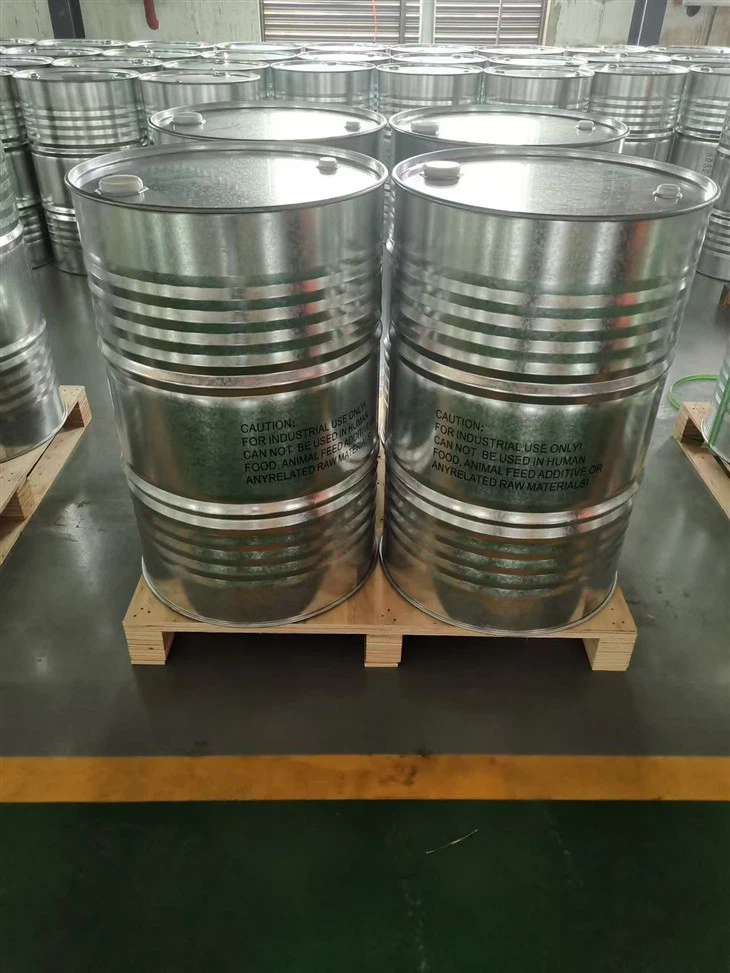
As a supplier of Ethyl Silicate 32, I take pride in offering a high - quality product. Our Ethyl Silicate 32 is produced using advanced manufacturing processes, ensuring consistent quality and purity. This consistency is crucial in polymer synthesis, as even small variations in the properties of Ethyl Silicate 32 can affect the final polymer product.
We also provide technical support to our customers. Our team of experts can assist in optimizing the use of Ethyl Silicate 32 in polymer synthesis, ensuring that you achieve the best possible results. Whether you are a research institution exploring new polymer formulations or an industrial manufacturer looking to improve your existing products, we can offer valuable advice and guidance.

Conclusion
Ethyl Silicate 32 plays a crucial role in polymer synthesis, serving as a cross - linking agent, a reinforcing filler precursor, and a modifier for surface properties. Its ability to enhance the mechanical, thermal, and chemical properties of polymers makes it a valuable component in a wide range of applications.
If you are involved in polymer synthesis and are interested in exploring the benefits of Ethyl Silicate 32, I encourage you to reach out to us. We can provide you with samples of our high - quality Ethyl Silicate 32 and engage in in - depth discussions about how it can be incorporated into your polymer systems. Contact us to start a fruitful conversation about your polymer synthesis needs and how Ethyl Silicate 32 can contribute to your success.
References
- Smith, J. A. (2018). "Advances in Silane - Based Polymer Modification." Polymer Science Journal, 45(2), 123 - 135.
- Johnson, R. B. (2019). "The Role of Silica Precursors in Polymer Reinforcement." Materials Research Bulletin, 56, 201 - 210.
- Brown, C. D. (2020). "Silicate Compounds in Polymer Coatings: A Review." Coatings Technology Review, 32(3), 45 - 58.