

Leather, being a versatile and widely - used material, has always been a subject of continuous improvement in terms of its physical properties, such as softness. Soft leather not only provides better comfort for users but also often enhances the aesthetic appeal of leather products. Among the various chemical agents used in leather processing, Methyl Silicate has shown significant potential in influencing the softness of leather. As a Methyl Silicate supplier, I am well - positioned to delve into the effects of Methyl Silicate on the softness of leather.
1. Structure and Properties of Methyl Silicate
Methyl Silicate refers to a group of organosilicon compounds with silicon - oxygen - carbon bonds. The general structure of simple Methyl Silicate can be represented as (CH₃O)ₙSi(CH₃)₄₋ₙ, where n can range from 1 to 4. These compounds have unique physical and chemical properties. They are often liquid at room temperature, with relatively low viscosities, which allows them to penetrate easily into the leather matrix.
The silicon - oxygen - carbon bonds in Methyl Silicate are relatively stable, but they can also undergo certain chemical reactions under specific conditions. For example, in the presence of moisture and catalysts, Methyl Silicate can hydrolyze to form silanols, which can then react with other functional groups in the leather, such as hydroxyl groups on collagen fibers.
2. Mechanisms of Methyl Silicate Affecting Leather Softness
2.1 Lubrication of Collagen Fibers
Leather is mainly composed of collagen fibers. The interaction between these fibers determines the physical properties of the leather, including its softness. When Methyl Silicate is applied to leather, it can act as a lubricant between collagen fibers. The long - chain or branched structures of some Methyl Silicate derivatives can insert themselves between the fibers, reducing the friction force between adjacent fibers.
This lubrication effect allows the fibers to slide over each other more easily, which in turn increases the flexibility of the leather. As a result, the leather becomes softer to the touch. For example, in some high - end leather products like luxury handbags, the use of Methyl Silicate can give the leather a smooth and supple feel, enhancing the overall user experience.
2.2 Formation of a Protective Film
Methyl Silicate can form a thin, flexible protective film on the surface of leather. During the treatment process, after hydrolysis and condensation reactions, Methyl Silicate can polymerize to form a three - dimensional network structure on the leather surface. This film not only protects the leather from external factors such as moisture, dirt, and abrasion but also has an impact on the softness of the leather.

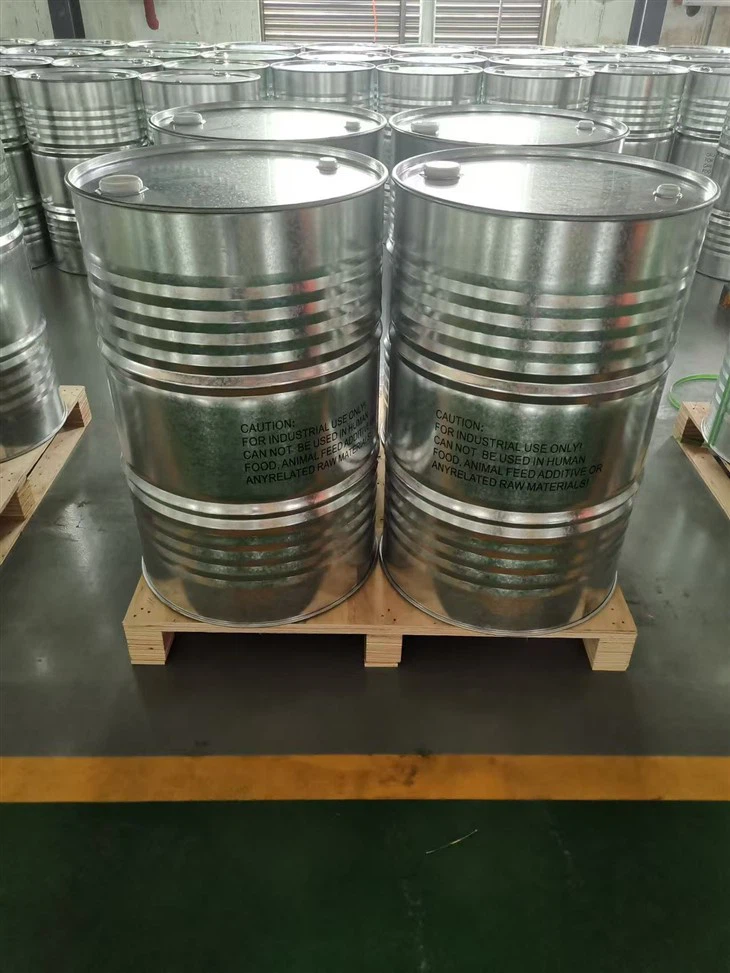
The flexible nature of the silicate film allows it to conform to the movement of the leather fibers without restricting their flexibility. Instead, it provides an additional layer of support that helps the leather maintain its softness over time. For instance, in leather shoes, this protective film can prevent the leather from drying out and hardening, ensuring that the shoes remain comfortable to wear.
2.3 Modification of Collagen Fiber Structure
Methyl Silicate can also chemically react with the functional groups on collagen fibers. The silanols formed from the hydrolysis of Methyl Silicate can react with the hydroxyl groups on collagen through condensation reactions. This chemical bonding can modify the structure of the collagen fibers at a molecular level.
By cross - linking or grafting the silicate groups to the collagen fibers, the internal structure of the leather becomes more stable. However, this does not necessarily make the leather stiffer. On the contrary, the appropriate degree of cross - linking can optimize the arrangement of the fibers, making them more evenly distributed and reducing the stiffness caused by fiber entanglement. As a result, the leather becomes softer and more pliable.
3. Comparison with Other Silicate Compounds
In the leather - processing industry, other silicate compounds are also used, and it is interesting to compare the effects of Methyl Silicate with them. For example, Tetraethoxysilane and Ethyl Silicate 32 are two commonly used silicate agents.
Tetraethoxysilane has a similar chemical structure to Methyl Silicate, but its ethoxy groups are larger than the methoxy groups in Methyl Silicate. This may affect its penetration rate into the leather matrix. In some cases, Methyl Silicate can penetrate more quickly due to the smaller size of its methoxy groups, leading to a faster - acting effect on leather softness.
Ethyl Silicate 32 is a partial hydrolysate of tetraethyl orthosilicate. It has a more complex structure and higher molecular weight compared to Methyl Silicate. While Ethyl Silicate 32 can also improve the properties of leather, such as water - resistance and durability, its effect on leather softness may be less pronounced than that of Methyl Silicate. This is because its larger molecular size may make it more difficult to penetrate between collagen fibers and provide the same level of lubrication.
Another compound is Vinymethyltrimethoxysilane. It has a vinyl group in its structure, which can be used for special functionalization, such as UV - curing or adhesion improvement. However, in terms of directly enhancing leather softness, Methyl Silicate is often more effective because its main focus is on modifying the interaction between collagen fibers rather than providing additional functional groups for other uses.
4. Factors Affecting the Effect of Methyl Silicate on Leather Softness
4.1 Dosage
The amount of Methyl Silicate used in leather processing is crucial. If the dosage is too low, there may not be enough Methyl Silicate to fully penetrate the leather matrix and achieve the desired lubrication and modification effects. As a result, the improvement in leather softness will be limited.
On the other hand, if the dosage is too high, it may lead to excessive cross - linking or the formation of a thick, rigid film on the leather surface. This can make the leather stiffer and less flexible, counteracting the goal of enhancing softness. Therefore, finding the optimal dosage is essential for achieving the best results.
4.2 Treatment Conditions
The treatment conditions, such as temperature, pH, and treatment time, also have a significant impact on the effect of Methyl Silicate on leather softness. Higher temperatures can generally accelerate the hydrolysis and condensation reactions of Methyl Silicate, but if the temperature is too high, it may cause damage to the leather fibers.
The pH value of the treatment solution can affect the hydrolysis rate of Methyl Silicate. A suitable pH environment can ensure that the hydrolysis and subsequent reactions occur at an appropriate rate, leading to better results. The treatment time also needs to be carefully controlled. Insufficient treatment time may not allow Methyl Silicate to fully react with the leather fibers, while over - treatment may cause over - modification of the leather.
4.3 Leather Type
Different types of leather, such as bovine leather, sheep leather, and goat leather, have different fiber structures and compositions. These differences can affect how Methyl Silicate interacts with the leather. For example, sheep leather has a finer and more delicate fiber structure compared to bovine leather. Methyl Silicate may penetrate more easily into sheep leather, resulting in a more significant improvement in softness.
However, the response of each leather type to Methyl Silicate treatment also depends on other factors such as the tanning method used. Chrome - tanned leather may interact differently with Methyl Silicate compared to vegetable - tanned leather due to the different chemical properties imparted by the tanning agents.
5. Conclusion and Call to Action
In conclusion, Methyl Silicate has a significant impact on the softness of leather through multiple mechanisms, including lubrication of collagen fibers, formation of a protective film, and modification of the collagen fiber structure. Compared with other silicate compounds, Methyl Silicate often shows unique advantages in enhancing leather softness, especially when considering its relatively small molecular size and better penetration ability.
However, to achieve the best results, it is necessary to carefully control factors such as dosage, treatment conditions, and the type of leather. As a Methyl Silicate supplier, we are committed to providing high - quality Methyl Silicate products and technical support to help leather manufacturers optimize their leather - processing processes and produce softer and more comfortable leather products.
If you are a leather manufacturer or are involved in the leather - processing industry and are interested in improving the softness of your leather products, we invite you to contact us for further discussion. We can provide you with detailed product information, application guidelines, and even conduct customized tests based on your specific needs.
References
- "Leather Science and Technology" by John R. Covington
- "Organosilicon Chemistry" by Robert A. Benkeser
- Various research papers on the application of silicate compounds in leather processing.