

As a supplier of Methyl Silicate, I often encounter inquiries from customers about the condensation reaction of this versatile chemical. In this blog post, I will delve into the conditions required for the condensation reaction of Methyl Silicate, providing a comprehensive understanding for both industry professionals and those new to the world of silicones.
Understanding Methyl Silicate
Methyl Silicate, also known as Tetramethyl orthosilicate, is a colorless, flammable liquid with the chemical formula Si(OCH₃)₄. It is widely used in various industries, including coatings, adhesives, and electronics, due to its excellent water - repellent and bonding properties. The condensation reaction of Methyl Silicate is a crucial process that leads to the formation of siloxane bonds (Si - O - Si), which are responsible for many of its useful characteristics.
Key Conditions for the Condensation Reaction
1. Presence of Water
Water is a fundamental requirement for the condensation reaction of Methyl Silicate. The reaction mechanism involves the hydrolysis of the methoxy groups (-OCH₃) in Methyl Silicate by water molecules. This hydrolysis step converts the methoxy groups into silanol groups (-Si - OH). The general hydrolysis reaction can be represented as follows:
Si(OCH₃)₄ + 4H₂O → Si(OH)₄+ 4CH₃OH
Once the silanol groups are formed, they can undergo a condensation reaction with each other, eliminating a water molecule and forming a siloxane bond:
2Si(OH)₄ → Si₂O₄(OH)₂ + 2H₂O
The amount of water present in the system can significantly affect the reaction rate and the final product properties. An appropriate water - to - Methyl Silicate ratio needs to be maintained. If there is too little water, the hydrolysis reaction will be incomplete, resulting in a low conversion of methoxy groups to silanol groups. On the other hand, an excessive amount of water may lead to over - hydrolysis and the formation of unstable silanol species, which can further react to form gels or precipitates.
2. Catalysts
Catalysts play a vital role in accelerating the condensation reaction of Methyl Silicate. Both acidic and basic catalysts can be used, and each has its own advantages and applications.
Acidic Catalysts: Common acidic catalysts include hydrochloric acid (HCl), sulfuric acid (H₂SO₄), and acetic acid (CH₃COOH). Acidic catalysts protonate the silanol groups, making them more reactive towards nucleophilic attack by other silanol groups. The reaction rate under acidic conditions is generally faster at lower pH values. However, acidic catalysts may also cause side reactions, such as the cleavage of siloxane bonds at high acid concentrations or during long - term exposure.
Basic Catalysts: Basic catalysts, such as sodium hydroxide (NaOH), potassium hydroxide (KOH), and ammonia (NH₃), can also be used to promote the condensation reaction. Basic catalysts deprotonate the silanol groups, generating silanolate anions (-Si - O⁻), which are highly reactive nucleophiles. Basic - catalyzed reactions are often preferred when a more controlled and slower reaction rate is required, as they can lead to the formation of more linear and less branched siloxane structures.
The choice of catalyst depends on the specific application requirements, such as the desired reaction rate, product structure, and compatibility with other components in the system.
3. Temperature
Temperature is another important factor that affects the condensation reaction of Methyl Silicate. Generally, an increase in temperature accelerates the reaction rate. At higher temperatures, the kinetic energy of the molecules increases, leading to more frequent and energetic collisions between the reacting species.
The hydrolysis reaction of Methyl Silicate is an endothermic process, meaning that it absorbs heat. Therefore, increasing the temperature favors the hydrolysis reaction. However, the condensation reaction of silanol groups is an exothermic process. If the temperature is too high, the equilibrium of the condensation reaction may shift towards the reactants, resulting in a lower degree of condensation.
In practice, a moderate temperature range is often selected to balance the hydrolysis and condensation reactions. For example, in some industrial processes, the reaction is carried out at temperatures between 50 - 100 °C to achieve a reasonable reaction rate and product quality.
4. Solvent
The choice of solvent can also influence the condensation reaction of Methyl Silicate. Solvents can affect the solubility of the reactants, the reaction rate, and the final product morphology.
Common solvents used in the condensation reaction of Methyl Silicate include alcohols, such as methanol and ethanol. Alcohols are miscible with Methyl Silicate and water, and they can help to dissolve the reactants and maintain a homogeneous reaction system. Additionally, alcohols can act as a reaction medium to control the reaction rate. For example, methanol, which is a by - product of the hydrolysis reaction, can slow down the reaction by competing with water for the methoxy groups in Methyl Silicate.
Other solvents, such as hydrocarbons and ethers, can also be used in some cases. However, they need to be carefully selected to ensure compatibility with the reactants and the catalyst.
Comparison with Related Compounds
It is interesting to compare the condensation reaction of Methyl Silicate with other related silicon - containing compounds, such as Tetraethoxysilane and Hexamethyldisilazane.
Tetraethoxysilane (TEOS), with the chemical formula Si(OC₂H₅)₄, is similar to Methyl Silicate in terms of its structure and reactivity. However, the ethoxy groups in TEOS are larger than the methoxy groups in Methyl Silicate. This difference in size can affect the hydrolysis and condensation rates. Generally, the hydrolysis of TEOS is slower than that of Methyl Silicate due to the steric hindrance of the ethoxy groups.
Hexamethyldisilazane (HMDS) has a different reaction mechanism compared to Methyl Silicate. HMDS is often used as a silylating agent, which can react with silanol groups to form a trimethylsilyl group (-Si(CH₃)₃). The reaction of HMDS with silanol groups is a condensation reaction that eliminates ammonia (NH₃) instead of water.
Applications and Implications
The condensation reaction of Methyl Silicate has numerous applications in various industries. In the coatings industry, the reaction is used to form cross - linked siloxane networks, which provide excellent water - repellency, chemical resistance, and adhesion properties to the coatings. In the electronics industry, Methyl Silicate can be used to form insulating and protective layers on electronic components through the condensation reaction.

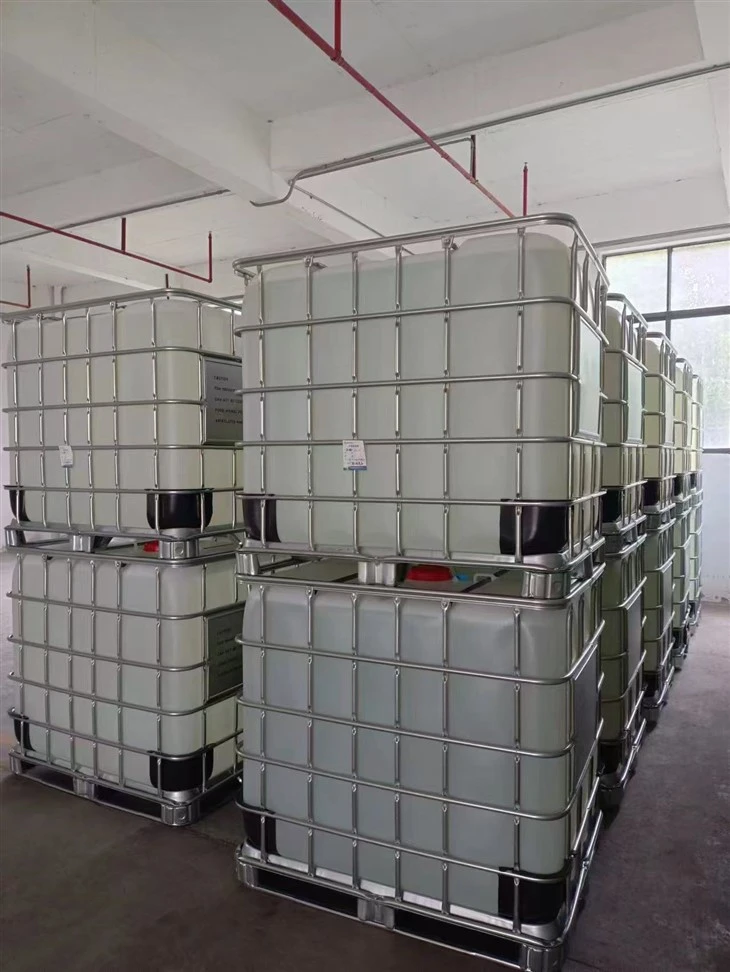
As a Methyl Silicate supplier, understanding the conditions for the condensation reaction is crucial for providing high - quality products and technical support to our customers. By controlling the reaction conditions, we can ensure that the Methyl Silicate products meet the specific requirements of different applications.
Conclusion
In conclusion, the condensation reaction of Methyl Silicate requires the presence of water, a suitable catalyst, an appropriate temperature, and a compatible solvent. Each of these factors plays a crucial role in determining the reaction rate, the product structure, and the final properties of the reaction products. By carefully controlling these conditions, we can optimize the condensation reaction of Methyl Silicate for various industrial applications.
If you are interested in our Methyl Silicate products or have any questions about the condensation reaction, please feel free to contact us for further discussion and procurement negotiation. We are committed to providing you with the best products and services.
References
- "Silicones in Organic Synthesis" by P. E. Sonnet.
- "Chemistry and Technology of Silicones" by W. Noll.
- Journal articles on the hydrolysis and condensation of organosilanes.