

Ethyl Silicate 40, also known as tetraethyl orthosilicate oligomer, is a widely used chemical in various industries, including coatings, refractories, and foundries. As a supplier of Ethyl Silicate 40, I understand the importance of safe disposal to protect the environment and human health. In this blog post, I will discuss how to dispose of Ethyl Silicate 40 safely, covering aspects such as understanding its properties, legal requirements, and proper disposal methods.
Understanding Ethyl Silicate 40
Ethyl Silicate 40 is a colorless to pale - yellow liquid with an ether - like odor. It is a mixture of ethyl silicate polymers with an average silicon dioxide (SiO₂) content of about 40%. This chemical is flammable, with a flash point of around 46 - 50°C, and it can react with water to form ethanol and silicic acid.
The properties of Ethyl Silicate 40 make it important to handle and dispose of it carefully. For example, its flammability means that improper disposal methods could lead to fire hazards, and its reactivity with water can result in the release of ethanol, a volatile and potentially hazardous substance.
Legal Requirements for Disposal
Before disposing of Ethyl Silicate 40, it is crucial to be aware of the relevant local, national, and international regulations. In most countries, chemicals like Ethyl Silicate 40 are classified as hazardous waste due to their flammable and reactive nature.
In the United States, the Environmental Protection Agency (EPA) regulates the disposal of hazardous waste under the Resource Conservation and Recovery Act (RCRA). Facilities that generate, store, or dispose of Ethyl Silicate 40 must comply with RCRA's strict requirements, including proper labeling, storage, and transportation of the waste.
Similarly, in the European Union, the Waste Framework Directive and other related regulations govern the disposal of hazardous chemicals. These regulations aim to ensure that waste is managed in an environmentally friendly and safe manner, from generation to final disposal.
Safe Storage Before Disposal
Proper storage of Ethyl Silicate 40 before disposal is essential to prevent accidents and minimize environmental risks. Here are some key points for safe storage:
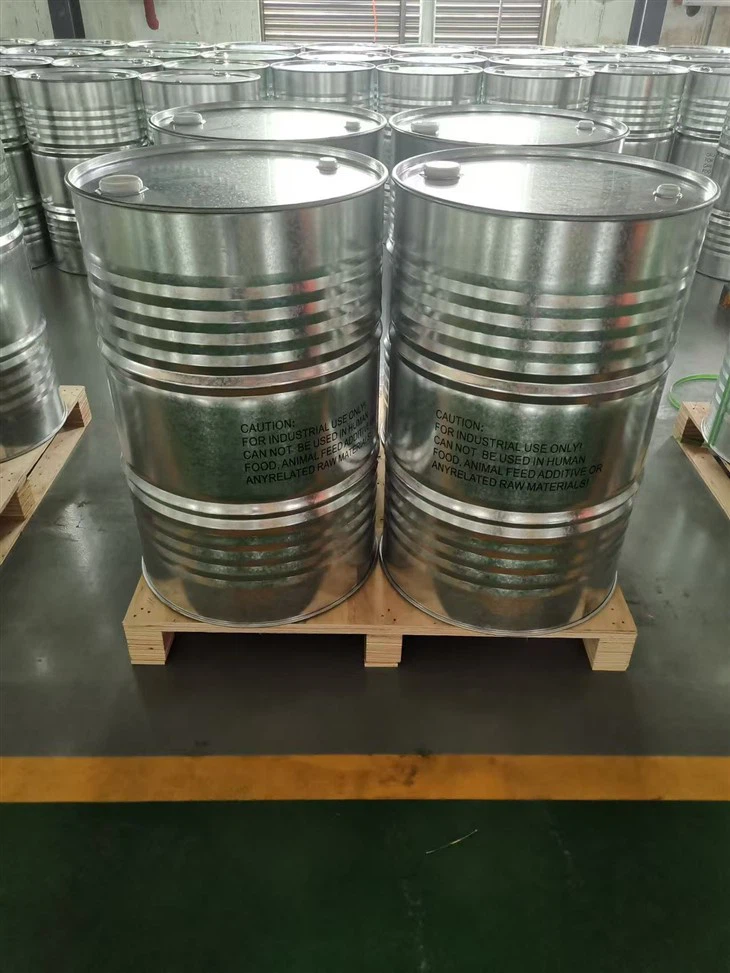
- Containers: Store Ethyl Silicate 40 in tightly sealed, approved containers made of materials that are compatible with the chemical, such as steel or high - density polyethylene.
- Location: Keep the storage area away from heat sources, open flames, and direct sunlight. The area should be well - ventilated to prevent the accumulation of flammable vapors.
- Separation: Separate Ethyl Silicate 40 from incompatible substances, such as strong oxidizers, acids, and alkalis. Incompatible materials can react with Ethyl Silicate 40, leading to dangerous situations.
Disposal Methods
There are several methods for disposing of Ethyl Silicate 40 safely. The choice of method depends on factors such as the quantity of the waste, its purity, and local regulations.
Incineration
Incineration is one of the most common methods for disposing of flammable hazardous waste like Ethyl Silicate 40. In a properly designed and operated incinerator, Ethyl Silicate 40 can be burned at high temperatures, converting it into carbon dioxide, water, and silicon dioxide.
However, incineration must be carried out under strict environmental controls to prevent the release of harmful pollutants. The incinerator should be equipped with pollution control devices, such as scrubbers and filters, to remove pollutants such as particulate matter, sulfur oxides, and nitrogen oxides.

Recycling
Recycling Ethyl Silicate 40 is an environmentally friendly alternative to disposal. Some companies specialize in recycling Ethyl Silicate 40 by separating it from impurities and reusing it in various applications.
Recycling not only reduces the amount of waste going to landfills or incinerators but also conserves resources. If you have a large quantity of Ethyl Silicate 40 waste, consider contacting a recycling company to explore recycling options.
Landfill Disposal
Landfill disposal is generally the last resort for Ethyl Silicate 40 due to its hazardous nature. If landfill disposal is necessary, it must be done in a permitted hazardous waste landfill.
Before sending Ethyl Silicate 40 to a landfill, it should be properly treated to reduce its reactivity and flammability. This may involve neutralizing any acidic or alkaline components and solidifying the waste to prevent leakage.
Safety Precautions During Disposal
Regardless of the disposal method chosen, safety precautions must be taken to protect workers and the environment.
- Personal Protective Equipment (PPE): Workers involved in the disposal process should wear appropriate PPE, including gloves, safety glasses, and protective clothing. In case of incineration, additional respiratory protection may be required.
- Spill Response: Have a spill response plan in place in case of accidental spills during storage or disposal. The plan should include procedures for containing the spill, cleaning it up, and disposing of the contaminated materials safely.
- Training: Ensure that all workers involved in the disposal process are properly trained on the properties of Ethyl Silicate 40, the disposal methods, and the safety precautions.
Related Silicone Products
In addition to Ethyl Silicate 40, our company also supplies a range of other silicone products, such as Triethoxyvinylsilane, Methyltriethoxysilane, and Vinymethyltrimethoxysilane. These products have their own unique properties and applications, and we can provide detailed information on their safe handling and disposal.
Conclusion
As a supplier of Ethyl Silicate 40, we are committed to promoting the safe use and disposal of this chemical. By understanding its properties, complying with legal requirements, and choosing the appropriate disposal methods, we can minimize the environmental and health risks associated with Ethyl Silicate 40.
If you are interested in purchasing Ethyl Silicate 40 or any of our other silicone products, or if you have any questions about their safe disposal, please feel free to contact us. We are here to provide you with the best products and services.
References
- Environmental Protection Agency (EPA). Resource Conservation and Recovery Act (RCRA).
- European Union. Waste Framework Directive.
- Material Safety Data Sheet (MSDS) for Ethyl Silicate 40.