

Hey there! I'm a supplier of Ethyl Silicate 40, and I know how crucial it is to transport this stuff safely. Ethyl Silicate 40 is a pretty useful chemical, used in a bunch of industries like coatings, refractories, and foundries. But it's also got some properties that mean we've got to be super careful when moving it around. In this blog, I'm gonna share some tips on how to transport Ethyl Silicate 40 safely.
First off, let's talk about what Ethyl Silicate 40 is. It's an ethyl polysilicate with an average of about 40% silicon dioxide content. It's a clear, colorless to pale - yellow liquid with a mild, characteristic odor. It's flammable, and it can react with water and acids, so we've got to handle it right.
Packaging
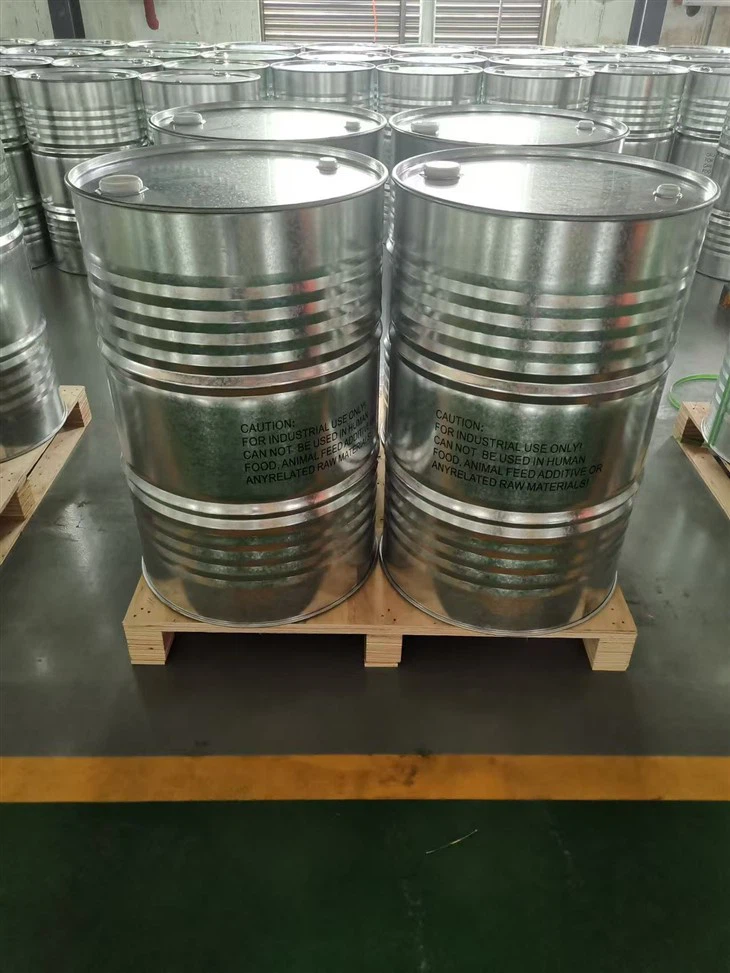
The first step in safe transportation is proper packaging. Ethyl Silicate 40 should be packed in high - quality containers that can withstand the rigors of transport. Drums made of steel or high - density polyethylene (HDPE) are commonly used. These drums need to be in good condition, with no signs of damage like dents, rust, or cracks.
The drums should also have tight - fitting lids. A good seal is essential to prevent any leaks during transit. We use gaskets and closures that are specifically designed for chemical storage and transport. This helps to keep the Ethyl Silicate 40 inside the drum and protects it from external factors like moisture and air.
When we're filling the drums, we make sure not to overfill them. There should be some headspace to allow for expansion in case the temperature changes during transport. Overfilling can lead to pressure build - up and increase the risk of leakage.
Labeling
Labeling is super important. Each drum of Ethyl Silicate 40 needs to be clearly labeled with all the necessary information. This includes the name of the product (Ethyl Silicate 40), its chemical formula, hazard warnings, and handling instructions.
The hazard warnings should clearly state that it's a flammable liquid. They should also mention any other risks associated with the product, like its reactivity with water and acids. The handling instructions should tell the transporters how to load, unload, and store the product safely.
We also use international hazard symbols on the labels. These symbols are easy to recognize and understand, no matter where the product is being transported. For example, the flame symbol indicates that it's flammable. This helps everyone involved in the transport process to quickly identify the risks and take the appropriate precautions.
Documentation
Proper documentation is another key part of safe transportation. We need to have all the required paperwork, including a Material Safety Data Sheet (MSDS). The MSDS provides detailed information about the product, including its physical and chemical properties, health hazards, first - aid measures, and handling and storage instructions.
The transporters should have access to the MSDS at all times during the journey. This allows them to respond quickly and appropriately in case of an emergency. We also keep records of the quantity of Ethyl Silicate 40 being transported, its origin, and its destination. This helps with traceability and accountability.
Transport Vehicle
The choice of transport vehicle is crucial. For Ethyl Silicate 40, we usually use trucks that are specifically designed for transporting hazardous chemicals. These trucks have features like spill containment systems, fire - suppression equipment, and proper ventilation.
The truck's tank or storage area should be clean and free from any contaminants. Before loading the Ethyl Silicate 40, we inspect the truck to make sure it meets all the safety standards. The truck should also be equipped with a GPS tracking system. This allows us to monitor the location of the shipment at all times and respond quickly if there are any issues.
The drivers of these trucks need to be well - trained. They should have a good understanding of the properties of Ethyl Silicate 40 and how to handle it safely. They should also know the emergency procedures in case of a spill or fire.
Storage During Transit
During transit, the Ethyl Silicate 40 needs to be stored properly. It should be kept in a cool, dry place away from direct sunlight and heat sources. High temperatures can increase the risk of evaporation and combustion.
The drums should be secured in the truck to prevent them from moving around during the journey. Movement can cause the drums to collide with each other or with the walls of the truck, which could lead to damage and leakage. We use straps and other securing devices to keep the drums in place.
Emergency Preparedness
Even with all the precautions, emergencies can still happen. That's why we need to be prepared. We have emergency response plans in place for all our shipments. These plans include procedures for dealing with spills, fires, and other incidents.

We train our staff and the transporters on these emergency response plans. They know how to use the fire - suppression equipment, how to contain spills, and how to call for help. We also have a list of emergency contacts, including local fire departments and hazardous materials response teams.
In case of a spill, we use absorbent materials to soak up the Ethyl Silicate 40. These materials should be specifically designed for absorbing flammable liquids. We then dispose of the contaminated absorbent materials in accordance with the local environmental regulations.
Comparison with Other Silicate Products
Ethyl Silicate 40 is just one of many silicate products out there. For example, Ethyl Silicate 28 has a lower silicon dioxide content compared to Ethyl Silicate 40. While the basic principles of transportation are similar, the handling requirements might vary slightly. Ethyl Silicate 28 might be less viscous and have different flammability characteristics, so the packaging and storage conditions could be adjusted accordingly.
Another related product is Vinymethyltrimethoxysilane. It has different chemical properties and applications compared to Ethyl Silicate 40. When transporting Vinymethyltrimethoxysilane, we need to take into account its specific reactivity and hazard profile. For example, it might be more reactive with certain substances, so we need to make sure it's stored away from incompatible materials.
Triethoxyvinylsilane is also used in various industries. Similar to other silicate products, it requires careful handling during transport. We need to ensure that the transport conditions are suitable for its chemical properties, such as its stability and flammability.
Conclusion
Transporting Ethyl Silicate 40 safely is a multi - step process that involves proper packaging, labeling, documentation, choice of transport vehicle, storage during transit, and emergency preparedness. By following these guidelines, we can minimize the risks associated with transporting this valuable chemical.
If you're in the market for Ethyl Silicate 40 or any of our other silicate products, we're here to help. We've got the experience and expertise to ensure that your order is transported safely and arrives at your destination in perfect condition. Contact us to start a procurement discussion and let's work together to meet your chemical needs.
References
- "Hazardous Chemicals Handbook"
- "Transportation Regulations for Chemicals"
- Manufacturer's product data sheets for Ethyl Silicate 40, Ethyl Silicate 28, Vinymethyltrimethoxysilane, and Triethoxyvinylsilane.