

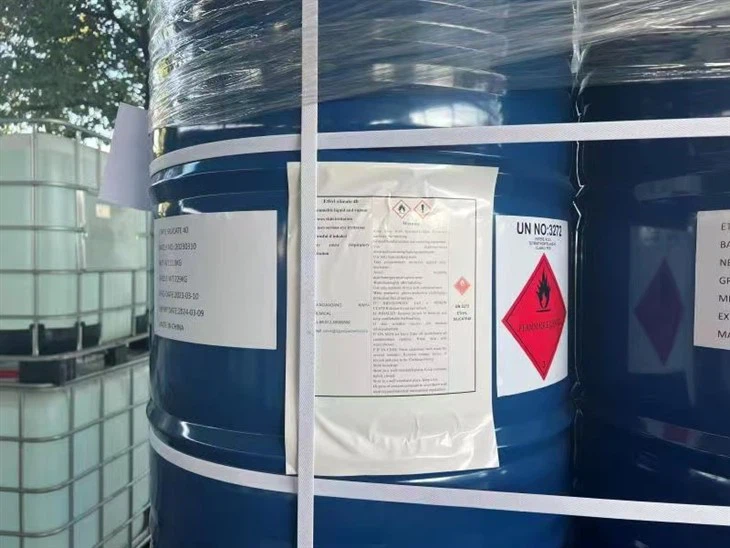
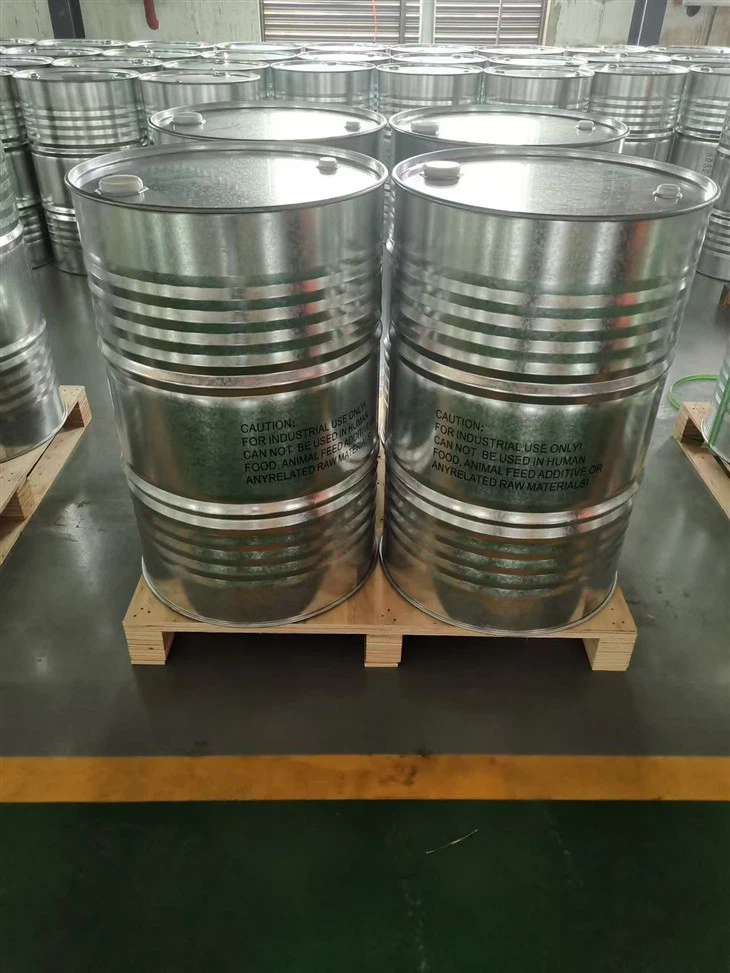
Hey there! As a supplier of Ethyl Silicate 40, I've gotten tons of questions about how this stuff affects the performance of materials. So, I thought I'd sit down and write this blog to share some insights.
First off, let's talk a bit about what Ethyl Silicate 40 is. It's a kind of chemical compound that's widely used in various industries. It's basically a mixture of ethyl silicates, and the "40" in its name refers to the approximate percentage of silicon dioxide (SiO₂) that it contains when it's fully hydrolyzed.
Impact on Coating Materials
One of the most common applications of Ethyl Silicate 40 is in coating materials. When it's added to coatings, it can significantly improve their performance.
Corrosion Resistance
Ethyl Silicate 40 forms a dense and durable silica network when it reacts with moisture in the air. This network acts as a barrier between the substrate (like metal) and the environment. For example, in marine environments where metal structures are constantly exposed to saltwater, coatings containing Ethyl Silicate 40 can prevent the metal from corroding. The silica network is highly resistant to chemical attack, so it can stop the corrosive agents from reaching the metal surface. This means that the coated structures can last much longer, saving a lot of money on maintenance and replacement.
Adhesion
Another important aspect is adhesion. Ethyl Silicate 40 can enhance the adhesion of coatings to the substrate. It has reactive groups that can form chemical bonds with the surface of the substrate. Whether it's a metal, concrete, or other materials, the coatings with Ethyl Silicate 40 will stick better. This is crucial because if the coating doesn't adhere well, it can peel off easily, leaving the substrate unprotected. So, by improving adhesion, Ethyl Silicate 40 ensures that the coating stays in place and provides long - term protection.
Hardness and Abrasion Resistance
The silica network formed by Ethyl Silicate 40 also increases the hardness of the coating. A harder coating is more resistant to abrasion. In industrial settings where there's a lot of mechanical wear and tear, like in factories or on transportation equipment, coatings with Ethyl Silicate 40 can withstand the friction and scratching. This helps to maintain the appearance and functionality of the coated objects.
Influence on Refractory Materials
Refractory materials are used in high - temperature applications, such as in furnaces, kilns, and foundries. Ethyl Silicate 40 can have a big impact on their performance.
Thermal Stability
Ethyl Silicate 40 can improve the thermal stability of refractory materials. When it's incorporated into the refractory mix, it forms a silica - based matrix that can withstand high temperatures without significant deformation or degradation. This is essential because in high - temperature environments, the refractory materials need to maintain their shape and structure to contain the heat and protect the surrounding equipment. For example, in a steel - making furnace, the refractory lining needs to be able to handle temperatures of over 1000°C. The addition of Ethyl Silicate 40 helps the refractory to stay intact under these extreme conditions.
Bonding Strength
It also acts as a binder in refractory materials. It can hold the refractory particles together, increasing the bonding strength of the material. A stronger bond means that the refractory is less likely to crack or break apart under thermal stress. This is important for the safety and efficiency of high - temperature processes. If the refractory lining in a furnace cracks, it can lead to heat loss and even damage to the furnace itself.
Comparison with Other Ethyl Silicates
There are other types of ethyl silicates available in the market, such as Ethyl Silicate 28 and Ethyl Silicate 32. The main difference between them is the percentage of silicon dioxide they contain when fully hydrolyzed.
Ethyl Silicate 28 has a lower silicon dioxide content compared to Ethyl Silicate 40. This means that the silica network formed by Ethyl Silicate 28 is less dense and less durable. In terms of coating performance, coatings with Ethyl Silicate 28 may not provide as good corrosion resistance or hardness as those with Ethyl Silicate 40. Similarly, in refractory applications, Ethyl Silicate 28 may not offer the same level of thermal stability and bonding strength.
Ethyl Silicate 32 has a silicon dioxide content between Ethyl Silicate 28 and Ethyl Silicate 40. It can be a good alternative in some cases where the performance requirements are not as high as those that demand Ethyl Silicate 40. However, if you need the best performance in terms of corrosion resistance, hardness, and thermal stability, Ethyl Silicate 40 is usually the better choice.
Role in Composite Materials
Composite materials are made by combining two or more different materials to get the best properties from each. Ethyl Silicate 40 can play an important role in composites.
Reinforcement
It can act as a reinforcement agent. For example, in fiber - reinforced composites, Ethyl Silicate 40 can improve the interaction between the fibers and the matrix material. It can enhance the load - transfer ability between the two components, making the composite stronger and more rigid. This is useful in applications where lightweight but strong materials are needed, like in aerospace and automotive industries.
Compatibility
Ethyl Silicate 40 also has good compatibility with many types of matrix materials. Whether it's a polymer matrix or a ceramic matrix, it can be easily incorporated into the composite system. This allows for the development of new composite materials with improved performance.
Other Applications and Effects
In addition to the above - mentioned applications, Ethyl Silicate 40 is also used in the production of Vinymethyltrimethoxysilane. Vinymethyltrimethoxysilane is a versatile silane coupling agent, and Ethyl Silicate 40 can be used as a raw material or a modifier in its synthesis.
Ethyl Silicate 40 can also be used in the production of precision casting molds. It can improve the surface finish and dimensional accuracy of the castings. The silica network formed by Ethyl Silicate 40 can provide a smooth and hard surface for the mold, resulting in high - quality cast parts.
Conclusion
As you can see, Ethyl Silicate 40 has a wide range of effects on the performance of materials. It can improve corrosion resistance, adhesion, hardness, thermal stability, and bonding strength in different applications. Whether you're in the coating industry, refractory industry, or composite material manufacturing, Ethyl Silicate 40 can be a game - changer.
If you're interested in using Ethyl Silicate 40 for your projects or want to learn more about its applications, feel free to reach out for a purchase negotiation. I'm here to help you find the best solutions for your specific needs.
References
- Smith, J. (2018). "Advances in Ethyl Silicate Applications". Journal of Chemical Materials.
- Johnson, A. (2019). "The Role of Ethyl Silicate in High - Temperature Materials". Refractory Research.
- Brown, C. (2020). "Coating Technology with Ethyl Silicate Additives". Coating Science Review.