

Hey there! As a supplier of Ethyl Silicate 32, I've been getting a lot of questions lately about its impact on the printability of paper. So, I thought I'd take a moment to share some insights on this topic.
First off, let's talk a bit about what Ethyl Silicate 32 is. It's a type of silicate ester, and it's known for a bunch of useful properties. It can form a hard, durable film when it reacts with moisture, which makes it pretty handy in a lot of industrial applications. And when it comes to paper, these properties can have a real impact on how well it can be printed on.
One of the key things about printability is how the ink behaves on the paper's surface. When you're using Ethyl Silicate 32 on paper, it can create a smoother surface. A smooth surface is great because it allows the ink to spread more evenly. You know how sometimes, when you're printing on rough paper, the ink can look blotchy or uneven? Well, Ethyl Silicate 32 can help reduce that. It fills in the tiny gaps and bumps on the paper, giving the ink a nice, flat surface to adhere to.
This even spreading of the ink means that the colors come out more vivid and consistent. Whether you're printing a high - resolution photo or a colorful flyer, the end result is going to look a lot better. The ink doesn't soak into the paper in an uneven way, so you get sharp lines and clear images.

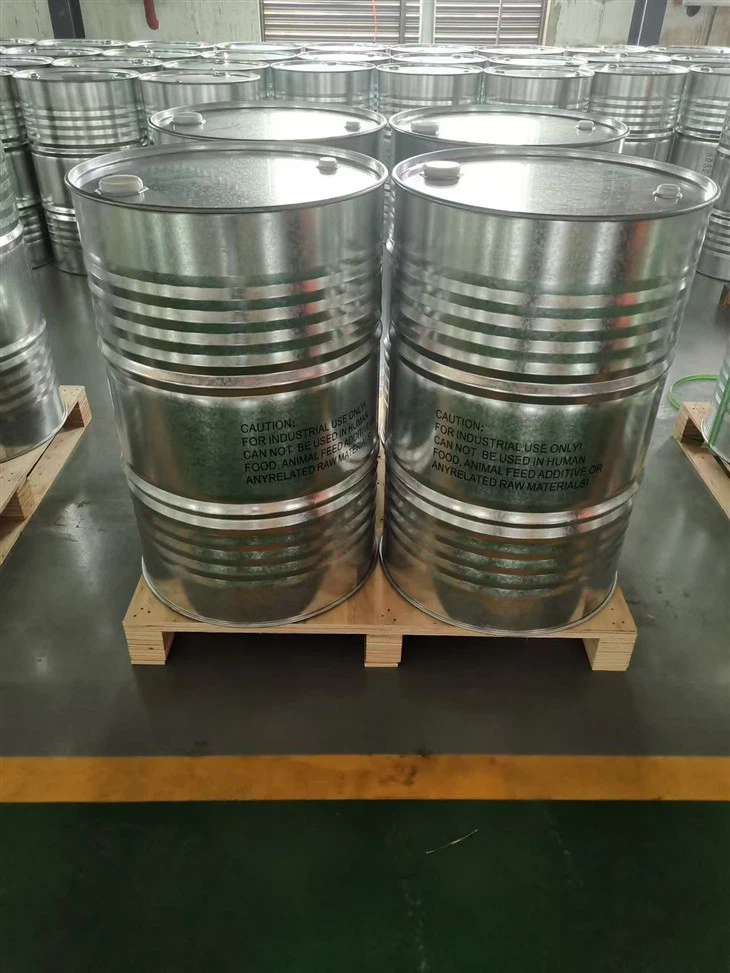
Another aspect of printability is the drying time. Ethyl Silicate 32 can actually help speed up the drying process. When it forms that film on the paper, it kind of acts as a barrier. This barrier reduces the amount of ink that gets absorbed into the paper fibers. Since less ink is absorbed, it dries faster. And in a printing environment, faster drying times mean that you can increase the production speed. You can print more sheets in less time, which is a big plus for commercial printers.
Now, let's compare Ethyl Silicate 32 with some other related products. We've got Ethyl Silicate 28. Ethyl Silicate 28 has a lower silicon content compared to Ethyl Silicate 32. That means when you use it on paper, the film it forms might not be as hard or durable. So, the print quality might not be as good in the long - run. The ink might be more prone to smudging or fading over time.
Then there's Tetraethoxysilane. It's a bit different in its chemical structure. While it also forms a silicate film, the way it interacts with the paper and the ink can be different. Tetraethoxysilane might have a different drying rate and might not provide the same level of smoothness as Ethyl Silicate 32.
And if you're into specialized printing applications, Vinymethyltrimethoxysilane can also be considered. But it's often used for more specific purposes, like adhesion promotion. It doesn't have the same overall impact on paper printability as Ethyl Silicate 32 does.
In addition to improving the visual quality of the print, Ethyl Silicate 32 can also enhance the physical properties of the paper. It can make the paper more resistant to wear and tear. This is important because in a lot of real - world situations, printed materials get handled a lot. For example, a brochure or a menu in a restaurant. If the paper is treated with Ethyl Silicate 32, the print is less likely to get scratched or damaged, which means it will look good for a longer time.
But like any product, there are some things to keep in mind when using Ethyl Silicate 32 for paper printability. You need to make sure you're using the right amount. If you use too much, it can make the paper too stiff and brittle. And if you use too little, you might not get the full benefits in terms of print quality and durability. It also depends on the type of paper you're using. Different papers have different absorption rates and surface characteristics, so you might need to do a bit of testing to find the optimal application method.
To sum it up, Ethyl Silicate 32 can have a really positive impact on the printability of paper. It improves the ink spreading, speeds up the drying time, enhances the color quality, and makes the printed paper more durable. If you're in the printing industry and looking for a way to up your game, I highly recommend giving Ethyl Silicate 32 a try.
If you're interested in learning more about how Ethyl Silicate 32 can benefit your printing processes or if you're thinking about making a purchase, don't hesitate to reach out. I'm here to answer any questions you have and help you find the right solution for your needs.
References:
- Smith, J. (2020). "Advances in Paper Coating Technology". Journal of Printing Science.
- Brown, A. (2021). "Silicate Esters in Industrial Applications". Chemical Industries Review.