

Hey there! As a supplier of Triethoxyvinylsilane, I'm stoked to share some crucial safety precautions when using this chemical. Triethoxyvinylsilane is a super useful compound, but like any chemical, it needs to be handled with care.
Understanding Triethoxyvinylsilane
First off, let's get a bit of background. Triethoxyvinylsilane is a colorless liquid with a characteristic odor. It's widely used in industries like adhesives, coatings, and composites. Its ability to bond organic and inorganic materials makes it a go - to choice for many applications. But with its great utility comes the responsibility of safe handling.
Personal Protective Equipment (PPE)
When you're working with Triethoxyvinylsilane, PPE is your first line of defense. You gotta wear safety goggles. These will protect your eyes from any splashes or vapors. Trust me, you don't want this stuff getting into your eyes; it can cause irritation and even more serious damage.
Next up is gloves. Chemical - resistant gloves are a must. Nitrile gloves are a good option as they provide a decent barrier against Triethoxyvinylsilane. They'll prevent direct skin contact, which can lead to skin irritation or allergic reactions.
A lab coat or a protective suit is also essential. This will cover your body and protect your clothes from spills. And don't forget to wear closed - toe shoes. You never know when there might be a spill on the floor, and you don't want your feet to be at risk.
Storage
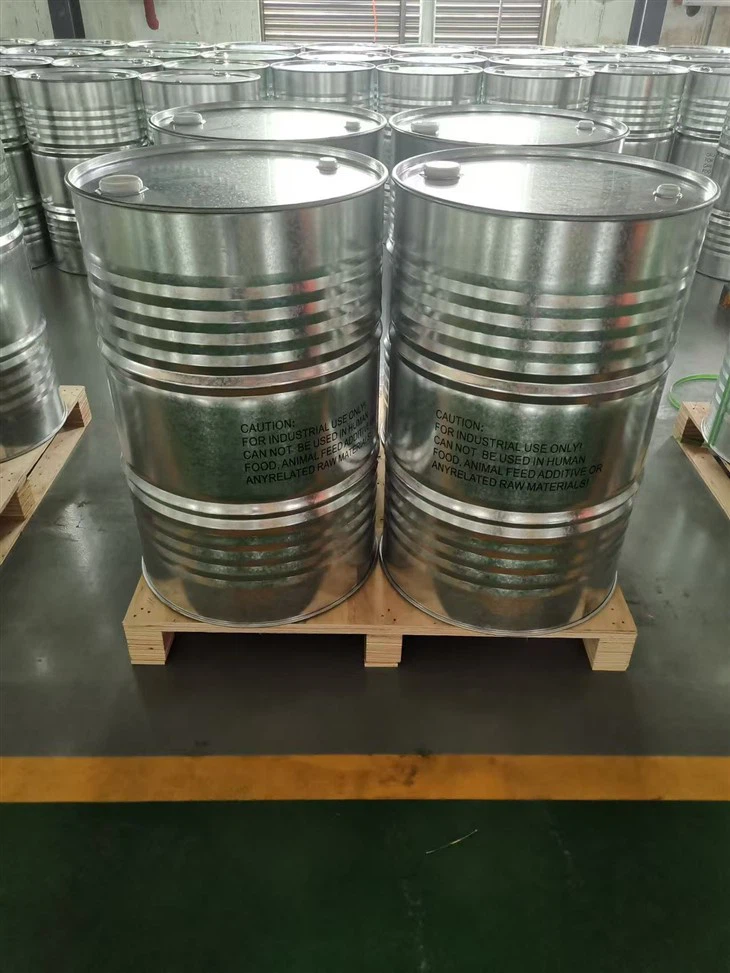
Proper storage is key to keeping everyone safe. Triethoxyvinylsilane should be stored in a cool, dry place. It's flammable, so you need to keep it away from heat sources, open flames, and sparks. A well - ventilated storage area is also crucial. This will prevent the build - up of vapors, which can be a fire hazard and also harmful to breathe in.
Make sure the storage containers are tightly sealed. This will prevent leaks and evaporation. And label the containers clearly with the name of the chemical, its hazards, and any other relevant information.
Handling and Transfer
When handling Triethoxyvinylsilane, be extra careful. Use appropriate equipment for transferring the chemical. Funnels and pipettes made of materials that are resistant to the chemical are recommended. Avoid using glassware if possible, as it can break and cause spills.
When pouring the chemical, do it slowly and steadily. This will reduce the risk of splashing. And always work in a well - ventilated area. A fume hood is ideal as it will suck away any vapors and keep the air clean.
Ventilation
Good ventilation is non - negotiable. Whether you're working with Triethoxyvinylsilane in a small lab or a large industrial setting, proper ventilation is crucial. As I mentioned earlier, a fume hood is great for small - scale operations. In larger areas, mechanical ventilation systems can be installed. These systems will continuously remove the vapors from the air and maintain a safe working environment.
If you're working outdoors, make sure the wind is blowing in a direction that won't carry the vapors towards you or other people.
Fire Safety
Since Triethoxyvinylsilane is flammable, fire safety is a major concern. Keep fire extinguishers nearby. Dry chemical fire extinguishers are suitable for extinguishing fires involving this chemical. Make sure everyone in the area knows how to use the fire extinguishers.
Have an emergency evacuation plan in place. In case of a fire, everyone should know where to go and what to do. And practice the evacuation plan regularly so that everyone is prepared.
Spill Response
Accidents happen, and spills can occur. If a spill of Triethoxyvinylsilane happens, don't panic. First, evacuate the area if the spill is large or if there's a risk of fire. Then, put on appropriate PPE before attempting to clean up the spill.
For small spills, use absorbent materials like vermiculite or sand to soak up the liquid. Scoop up the absorbed material and put it in a sealed container for proper disposal. For larger spills, it might be necessary to call in a professional spill - clean - up team.
Waste Disposal
Proper waste disposal is important to protect the environment and public health. Triethoxyvinylsilane waste should be disposed of according to local regulations. Don't just pour it down the drain or throw it in the regular trash.
Contact a licensed waste disposal company to handle the waste. They'll know how to treat and dispose of the chemical safely.

Compatibility with Other Chemicals
Be aware of the chemicals that Triethoxyvinylsilane is incompatible with. Mixing it with certain chemicals can cause dangerous reactions. For example, it can react with strong oxidizing agents, acids, and bases. So, always check the compatibility before using it in combination with other chemicals.
Training
All personnel who work with Triethoxyvinylsilane should receive proper training. They should know about the chemical's properties, hazards, and safety precautions. Training should include hands - on demonstrations of how to handle the chemical safely, how to use PPE, and what to do in case of an emergency.
Similar Products and Their Safety
There are other silane compounds in the market, such as 3 - glycidoxypropyltrimethoxysilane, Vinymethyltrimethoxysilane, and Ethyl Silicate 32. While they have similar applications, each has its own set of safety precautions. Always refer to the safety data sheets (SDS) of these products for detailed information.
Conclusion
In conclusion, using Triethoxyvinylsilane safely is all about being prepared and taking the right precautions. By following these safety measures, you can minimize the risks associated with this chemical and ensure a safe working environment.
If you're in the market for Triethoxyvinylsilane or have any questions about its use or safety, feel free to reach out. We're here to assist you with your procurement needs and provide all the information you need for safe handling.
References
- Material safety data sheet for Triethoxyvinylsilane
- Industry best practices for handling flammable chemicals
- Local regulations on chemical storage, handling, and waste disposal