

Hey there! As a supplier of Ethyl Silicate 28, I've been getting a lot of questions lately about its environmental impacts. So, I thought I'd take a moment to break it down and share what I know.
First off, let's talk about what Ethyl Silicate 28 is. It's a chemical compound that's widely used in various industries, like coatings, adhesives, and foundry applications. It's known for its ability to form a hard, durable film and improve the performance of products. But with all the talk about environmental sustainability these days, it's important to understand how its use affects our planet.
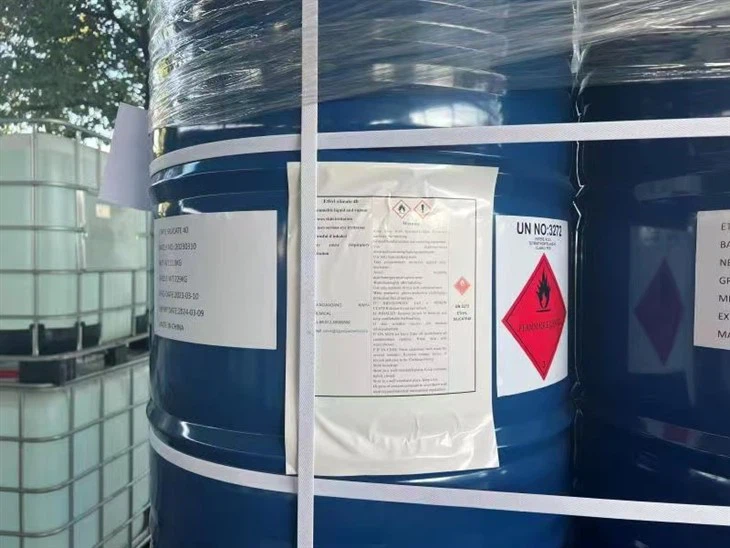
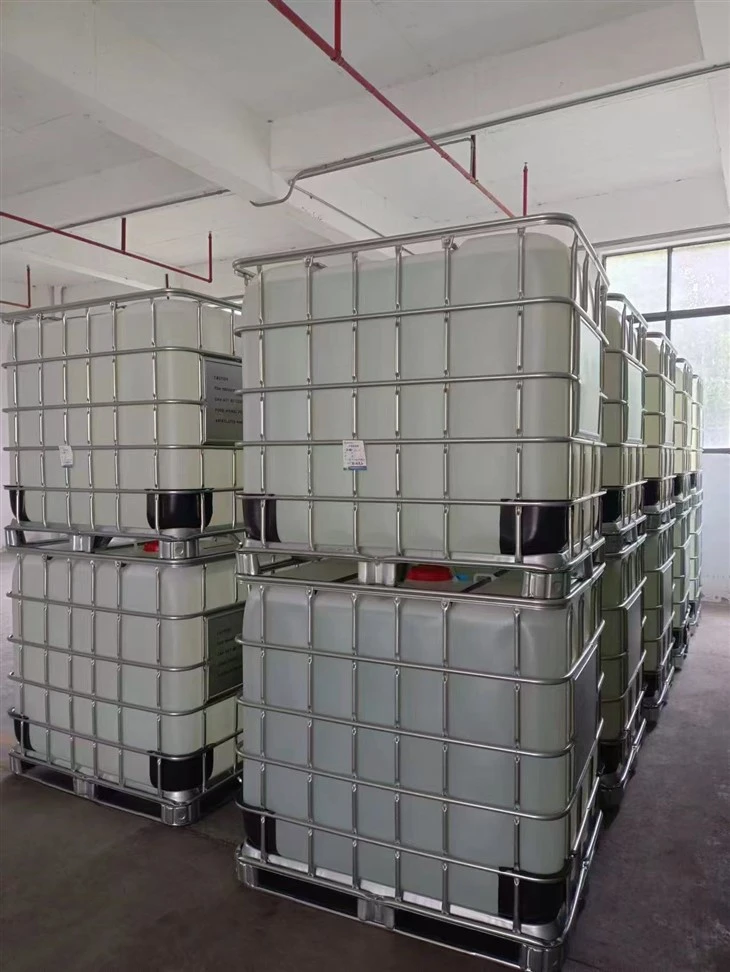
Air Quality
One of the main environmental concerns when it comes to Ethyl Silicate 28 is its potential impact on air quality. When Ethyl Silicate 28 is used in industrial processes, it can release volatile organic compounds (VOCs) into the air. VOCs are chemicals that easily evaporate at room temperature and can react with other pollutants in the atmosphere to form smog and ground - level ozone.
Smog and ground - level ozone are not only bad for the environment but also for human health. They can cause respiratory problems, such as coughing, wheezing, and shortness of breath, especially in people with pre - existing conditions like asthma.
However, the good news is that modern manufacturing processes have come a long way in reducing VOC emissions. Many companies, including ours, are using advanced technologies and equipment to capture and control these emissions. For example, we use closed - loop systems in our production facilities, which prevent the release of VOCs into the air. We also follow strict environmental regulations to ensure that our operations are as clean as possible.
Water Pollution
Another aspect to consider is the potential for water pollution. If Ethyl Silicate 28 is not properly managed, it can find its way into water sources, such as rivers, lakes, and groundwater. Once in the water, it can have harmful effects on aquatic life.
Ethyl Silicate 28 can form a thin film on the water surface, which can block sunlight from reaching underwater plants. This can disrupt the photosynthesis process and lead to a decrease in oxygen levels in the water. Low oxygen levels can be deadly for fish and other aquatic organisms.
To prevent water pollution, we take several precautions. We have strict waste management procedures in place to ensure that any waste containing Ethyl Silicate 28 is properly treated and disposed of. We also conduct regular water quality tests in and around our facilities to monitor for any signs of contamination.
Soil Contamination
Soil contamination is also a concern. If Ethyl Silicate 28 is spilled or leaked onto the soil, it can change the soil's physical and chemical properties. It can make the soil less permeable, which can affect water infiltration and plant growth.
In addition, some of the chemicals associated with Ethyl Silicate 28 can be toxic to soil microorganisms. These microorganisms play a crucial role in breaking down organic matter and cycling nutrients in the soil. If they are harmed, it can have a negative impact on the overall health of the soil ecosystem.
To address this issue, we have spill response plans in place. In the event of a spill, our trained staff will quickly contain and clean up the spill to minimize the impact on the soil. We also work with environmental experts to remediate any contaminated soil if necessary.
Comparing with Similar Products
When evaluating the environmental impacts of Ethyl Silicate 28, it's also useful to compare it with similar products. For example, Ethyl Silicate 32 has a different chemical composition and may have different environmental profiles.
Ethyl Silicate 32 generally has a higher silicon content, which can make it more effective in some applications. However, this also means that its production and use may require different environmental management strategies.
Another related product is Methyltriethoxysilane. It's used in similar applications as Ethyl Silicate 28 but has a different molecular structure. Methyltriethoxysilane may have different VOC emission characteristics and potential for water and soil contamination.
Hexamethyldisilazane is yet another product in the same family. It's often used as a surface treatment agent. Its environmental impacts also need to be considered in the context of overall environmental management.
Our Commitment to Sustainability
At our company, we're committed to minimizing the environmental impacts of Ethyl Silicate 28. We invest in research and development to find more sustainable ways to produce and use this product. For example, we're exploring the use of renewable energy sources in our manufacturing processes to reduce our carbon footprint.
We also work closely with our customers to educate them about the proper handling and use of Ethyl Silicate 28. We provide them with safety data sheets and training materials to ensure that they can use the product in an environmentally responsible way.
Conclusion
In conclusion, while Ethyl Silicate 28 does have some potential environmental impacts, such as air pollution, water pollution, and soil contamination, modern manufacturing and management practices can significantly reduce these risks. At our company, we're doing everything we can to ensure that our production and supply of Ethyl Silicate 28 are as environmentally friendly as possible.
If you're in the market for Ethyl Silicate 28 and are concerned about its environmental impacts, rest assured that we have the expertise and the commitment to provide you with a high - quality product that meets your needs while also being kind to the environment. If you're interested in learning more or discussing a potential purchase, feel free to reach out. We're here to answer your questions and work with you to find the best solutions for your business.
References
- Environmental Protection Agency (EPA). "Volatile Organic Compounds (VOCs) and Indoor Air Quality."
- International Union of Pure and Applied Chemistry (IUPAC). "Nomenclature of Organic Chemistry."
- Various industry reports on the environmental impacts of chemical manufacturing.