

Hey there! As a supplier of Triethoxyvinylsilane, I've seen firsthand how different environmental factors can impact its performance. One of the most significant factors is humidity. In this blog, I'll dive into the effects of humidity on Triethoxyvinylsilane and why it matters for your applications.

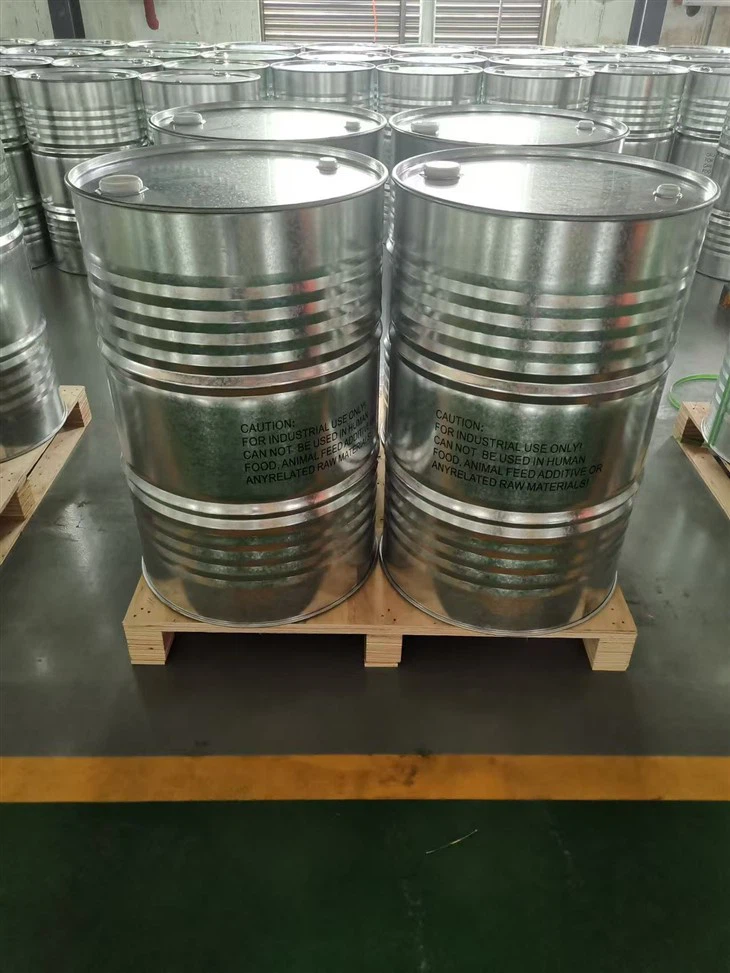
First off, let's talk a bit about Triethoxyvinylsilane itself. It's a versatile chemical that's widely used in various industries. Its unique structure allows it to act as a coupling agent, adhesion promoter, and cross - linking agent. This makes it super useful in things like coatings, adhesives, and composites.
Now, onto humidity. Humidity refers to the amount of water vapor present in the air. And it can have both positive and negative impacts on Triethoxyvinylsilane.
Positive Effects of Humidity
Hydrolysis and Cross - Linking
One of the key positive effects of humidity on Triethoxyvinylsilane is that it can facilitate hydrolysis. When Triethoxyvinylsilane comes into contact with water vapor in the air (humidity), the ethoxy groups (-OC₂H₅) on the molecule react with water. This reaction forms silanol groups (-Si - OH). These silanol groups are highly reactive and can then undergo a condensation reaction with other silanol groups or with hydroxyl groups on the surface of substrates.
For example, in a coating application, this cross - linking process can improve the adhesion of the coating to the substrate. The silanol groups can bond with the hydroxyl groups on the surface of metals, glass, or ceramics. This results in a stronger, more durable coating that's less likely to peel or delaminate. So, in some cases, a moderate level of humidity can actually enhance the performance of Triethoxyvinylsilane - based products.
Accelerated Curing
Humidity can also speed up the curing process of Triethoxyvinylsilane. In a high - humidity environment, the hydrolysis reaction occurs more rapidly. This means that the formation of silanol groups and subsequent cross - linking happen at a faster rate. For manufacturers, this can be a huge advantage as it reduces production time and increases efficiency. You can get your products out the door faster and meet customer demands more quickly.
Negative Effects of Humidity
Over - Hydrolysis
While some humidity is beneficial, too much can be a problem. If the humidity is extremely high, it can lead to over - hydrolysis of Triethoxyvinylsilane. Over - hydrolysis means that too many ethoxy groups are converted to silanol groups in a short period. This can cause the silanol groups to react with each other too quickly, forming large, insoluble aggregates.
These aggregates can disrupt the normal cross - linking process and lead to a less - uniform coating or adhesive. In a coating, this might result in a rough or uneven surface finish. In an adhesive, it can reduce the bonding strength between the substrates. So, it's important to control the humidity levels during the application of Triethoxyvinylsilane - based products to avoid over - hydrolysis.
Moisture - Induced Degradation
High humidity can also lead to moisture - induced degradation of Triethoxyvinylsilane over time. Water vapor can penetrate the product and react with the silane molecules, breaking down the chemical structure. This can cause a loss of functionality, such as reduced adhesion and cross - linking ability. For long - term storage of Triethoxyvinylsilane, a low - humidity environment is crucial to maintain its quality and performance.
Controlling Humidity for Optimal Performance
To get the best out of Triethoxyvinylsilane, it's essential to control the humidity during both storage and application.
Storage
When storing Triethoxyvinylsilane, it should be kept in a dry, cool place. A humidity - controlled storage facility is ideal. You can use desiccants like silica gel in the storage containers to absorb any excess moisture. This helps to prevent moisture - induced degradation and ensures that the product remains stable and effective until it's ready to be used.
Application
During the application process, you can use dehumidifiers or environmental chambers to control the humidity. For example, in a factory setting, dehumidifiers can be installed to maintain a specific humidity level in the production area. This allows for consistent and reliable performance of Triethoxyvinylsilane - based products.
Comparing with Related Silane Products
It's also interesting to compare the effects of humidity on Triethoxyvinylsilane with other silane products. For instance, Methyltrimethoxysilane has a different chemical structure. It has three methoxy groups (-OCH₃) instead of ethoxy groups. The hydrolysis rate of methoxy groups is generally faster than that of ethoxy groups. So, Methyltrimethoxysilane might be more sensitive to humidity changes compared to Triethoxyvinylsilane.
Vinymethyltrimethoxysilane contains both a vinyl group and methoxy groups. The vinyl group can participate in additional reactions, such as polymerization. Humidity can affect both the hydrolysis of the methoxy groups and the polymerization of the vinyl group. This makes the performance of Vinymethyltrimethoxysilane in different humidity conditions more complex.
Ethyl Silicate 28 is another related product. It's a mixture of ethyl silicates and is often used as a binder in coatings and refractories. Similar to Triethoxyvinylsilane, it can undergo hydrolysis in the presence of humidity. However, its hydrolysis and cross - linking behavior might be different due to its complex composition.
Conclusion
In conclusion, humidity has a significant impact on the performance of Triethoxyvinylsilane. A moderate level of humidity can promote hydrolysis and cross - linking, leading to better adhesion and faster curing. But too much humidity can cause over - hydrolysis and moisture - induced degradation. By carefully controlling the humidity during storage and application, you can ensure the optimal performance of Triethoxyvinylsilane - based products.
If you're in the market for high - quality Triethoxyvinylsilane or have any questions about its performance in different humidity conditions, I'd love to hear from you. We can have a chat about your specific needs and how we can provide the best solutions for your applications. Reach out to start a discussion about your procurement needs.
References
- Smith, J. (2018). "Silane Chemistry: Applications and Reactions". Chemical Publishing House.
- Johnson, A. (2020). "Environmental Factors Affecting Silane Performance". Journal of Applied Chemistry.