

Methyl silicate, a versatile chemical compound, has found a wide range of applications in the glass industry. As a leading supplier of methyl silicate, I am excited to share with you the various ways this remarkable substance is utilized in glass manufacturing and related processes.
Surface Modification and Coating
One of the primary applications of methyl silicate in the glass industry is surface modification and coating. When applied to the surface of glass, methyl silicate can form a thin, protective layer that enhances the glass's properties. This layer can improve the glass's resistance to scratches, abrasion, and chemical corrosion. It also reduces the surface energy of the glass, making it more hydrophobic and easier to clean.
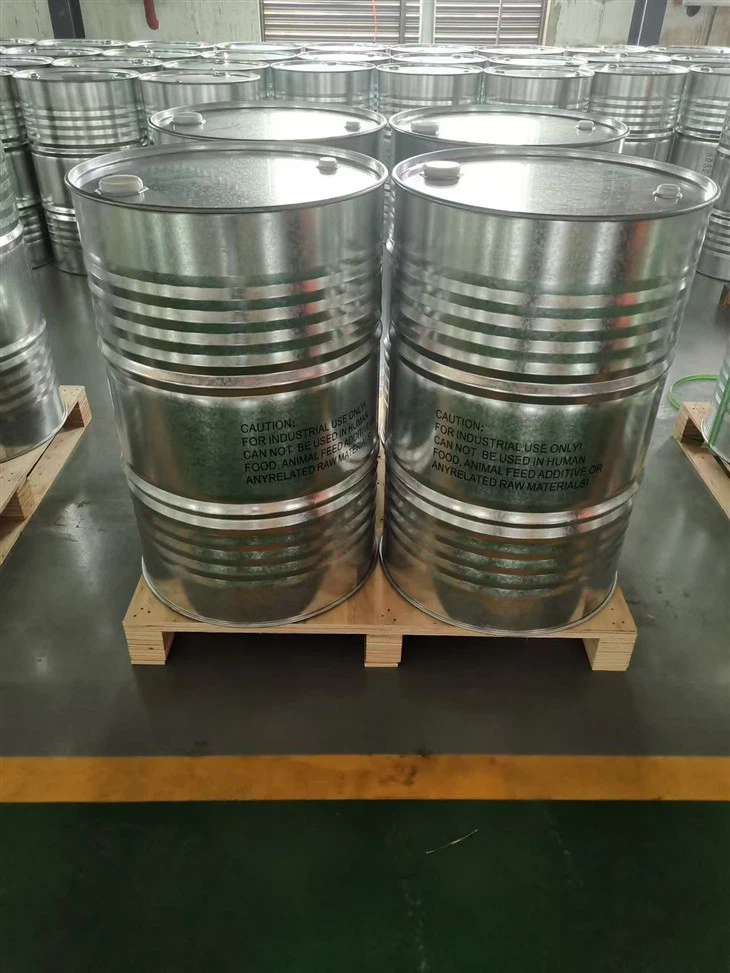

The process of applying a methyl silicate coating typically involves dissolving the methyl silicate in a suitable solvent, such as ethanol or isopropanol. The solution is then applied to the glass surface using techniques such as dipping, spraying, or spin coating. After application, the solvent evaporates, leaving behind a thin layer of methyl silicate on the glass surface. This layer can be further cured by heating or exposure to ultraviolet light to improve its durability and performance.
In addition to its protective properties, methyl silicate coatings can also be used to modify the optical properties of glass. For example, by adding certain additives to the methyl silicate solution, it is possible to create coatings that have anti - reflective, anti - fogging, or self - cleaning properties. These coatings are widely used in applications such as eyeglasses, camera lenses, and architectural glass.
Bonding and Adhesion
Methyl silicate also plays an important role in bonding and adhesion applications in the glass industry. It can be used as a coupling agent to improve the adhesion between glass and other materials, such as metals, plastics, and ceramics. When used as a coupling agent, methyl silicate reacts with the surface of the glass and the other material, forming chemical bonds that enhance the strength and durability of the bond.
For example, in the production of laminated glass, methyl silicate can be used to improve the adhesion between the glass layers and the interlayer material, such as polyvinyl butyral (PVB). This helps to prevent delamination of the laminated glass, which can occur due to factors such as temperature changes, humidity, and mechanical stress.
In addition, methyl silicate can be used in the bonding of glass to metal frames in architectural applications. By applying a methyl silicate - based adhesive to the glass and metal surfaces, a strong and durable bond can be achieved, which is essential for the structural integrity of the building envelope.
Glass Reinforcement
Another important application of methyl silicate in the glass industry is glass reinforcement. Methyl silicate can be used to improve the mechanical properties of glass, such as its strength and toughness. When added to the glass melt during the manufacturing process, methyl silicate can react with the glass components to form a network structure that reinforces the glass matrix.
This reinforcement effect can be particularly beneficial in the production of high - strength glass products, such as automotive glass, aerospace glass, and bullet - resistant glass. By using methyl silicate as a reinforcement agent, it is possible to reduce the weight of the glass while maintaining or even improving its mechanical performance.
Comparison with Other Silane Compounds
While methyl silicate is widely used in the glass industry, it is also worth comparing it with other silane compounds, such as 3 - glycidoxypropyltrimethoxysilane, Methyltriethoxysilane, and Vinymethyltrimethoxysilane.
3 - glycidoxypropyltrimethoxysilane is often used in applications where strong adhesion and chemical resistance are required. It contains an epoxy group, which can react with various polymers and resins, making it suitable for use in composite materials and coatings. Methyltriethoxysilane, on the other hand, has a different chemical structure and reactivity compared to methyl silicate. It is commonly used in the production of silicone polymers and resins, and can also be used as a surface modifier for glass and other materials. Vinymethyltrimethoxysilane contains a vinyl group, which gives it unique reactivity and can be used in applications such as cross - linking and polymerization.
Each of these silane compounds has its own advantages and disadvantages, and the choice of which compound to use depends on the specific requirements of the application. In many cases, methyl silicate is preferred due to its relatively low cost, good performance, and ease of use.
Conclusion
In conclusion, methyl silicate is a valuable chemical compound with a wide range of applications in the glass industry. From surface modification and coating to bonding, adhesion, and reinforcement, methyl silicate offers numerous benefits that can improve the performance and durability of glass products. As a supplier of methyl silicate, we are committed to providing high - quality products and technical support to our customers in the glass industry.
If you are interested in learning more about the applications of methyl silicate in your specific glass manufacturing process or if you are looking to purchase methyl silicate for your production needs, please feel free to contact us for further information and to discuss potential procurement opportunities. We look forward to working with you to meet your requirements and achieve your business goals.
References
- Smith, J. (2018). "Advances in Glass Surface Modification Technologies". Journal of Glass Science and Technology, 45(2), 123 - 135.
- Johnson, A. (2019). "Silane Compounds in the Glass Industry: Properties and Applications". Glass Manufacturing Review, 32(3), 78 - 85.
- Brown, C. (2020). "Reinforcement of Glass with Chemical Additives". International Journal of Glass Engineering, 50(1), 45 - 56.