

Is Ethyl Silicate 32 safe for textile products in contact with skin?
As a supplier of Ethyl Silicate 32, I often receive inquiries from customers about the safety of this product, especially when it comes to its use in textile products that come into direct contact with the skin. In this blog post, I will delve into the scientific aspects of Ethyl Silicate 32 and its safety profile in the context of skin - contacting textiles.
Understanding Ethyl Silicate 32
Ethyl Silicate 32 is a type of silicate ester. It is widely used in various industries due to its unique properties. In the textile industry, it can be used for functions such as fabric finishing, providing water - repellency, and improving the durability of the fabric. Chemically, it is a mixture of oligomers of tetraethyl orthosilicate, with an average degree of polymerization that gives it the characteristics suitable for different applications.
Safety Assessment
To assess whether Ethyl Silicate 32 is safe for textile products in contact with skin, several factors need to be considered, including the toxicity of the substance, potential allergenicity, and its behavior under normal use conditions.
Toxicity
The acute toxicity of Ethyl Silicate 32 is relatively low. According to available scientific literature, it is not highly toxic when ingested, inhaled, or comes into contact with the skin in its pure form within normal industrial handling limits. When it is used in textile finishing, it undergoes a cross - linking or reaction process, which further reduces its potential for leaching out and causing harm. However, like any chemical, if there are high - level exposures over an extended period, it may pose some risks. But in the context of textile products, the residual amount of Ethyl Silicate 32 after proper processing is typically very low.
Allergenicity
There is limited evidence to suggest that Ethyl Silicate 32 is a common allergen. Allergic reactions are generally rare, but individual sensitivities can vary. The textile industry has strict quality control measures in place to ensure that any additives, including Ethyl Silicate 32, do not cause allergic responses in consumers. Before a textile product is released to the market, it often undergoes a series of tests, such as skin patch tests, to check for potential allergenicity.
Behavior under normal use conditions
When Ethyl Silicate 32 is applied to textile products, it forms a stable film on the fabric surface. This film is resistant to normal washing and wear. During washing, the amount of Ethyl Silicate 32 that may be released into the water is minimal. Moreover, in the human body, it is not likely to be absorbed through the skin in significant amounts because of its molecular structure and the nature of the skin barrier.
Comparison with other similar products
In the silicone - based product range, there are other substances that are also used in textile applications, such as Ethyl Silicate40, Hexamethyldisilazane, and Methyltriethoxysilane. Each of these products has its own safety profile.
Ethyl Silicate 40 has a higher degree of polymerization compared to Ethyl Silicate 32, which may result in different physical and chemical behaviors on the fabric. Hexamethyldisilazane is often used as a silylating agent. It has a different reactivity pattern and may have different potential risks when exposed to the skin. Methyltriethoxysilane is used for surface modification and water - repellency as well, but its safety in skin - contacting textiles also needs to be evaluated based on its specific properties.
Industry Standards and Regulations
The textile industry is subject to a variety of standards and regulations regarding the use of chemicals in products that come into contact with the skin. These regulations are designed to protect consumers from potential harm. For example, the European Union's REACH (Registration, Evaluation, Authorization and Restriction of Chemicals) regulation sets limits on the use of certain chemicals and requires manufacturers to provide safety data sheets.

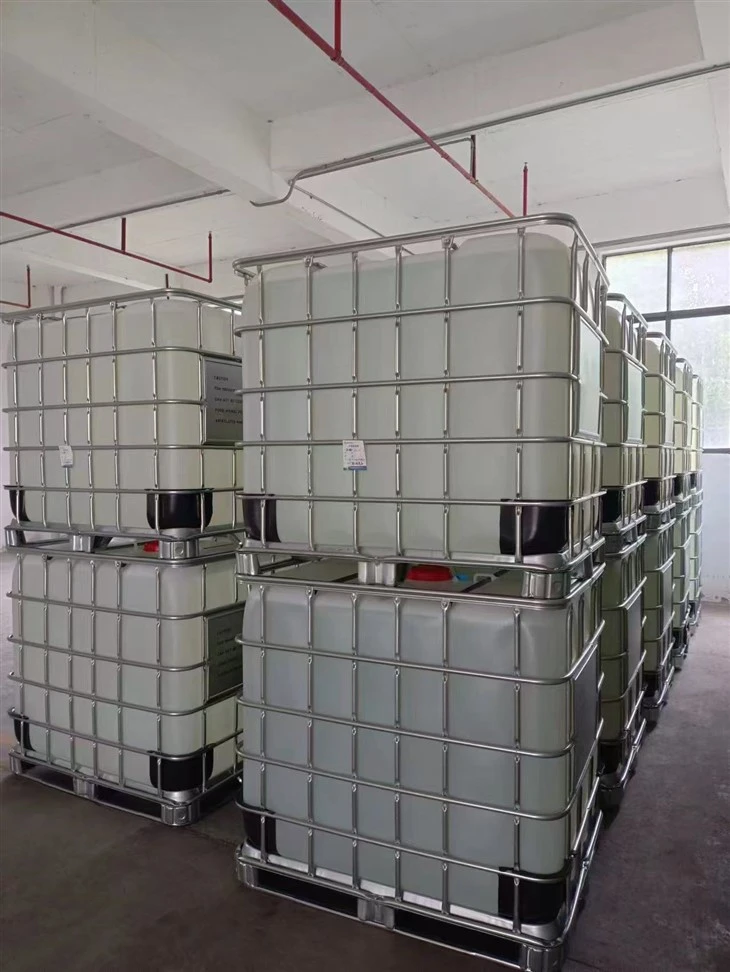
Our company, as a supplier of Ethyl Silicate 32, adheres to these strict regulations. We ensure that our product meets all the necessary safety requirements before it is sold to textile manufacturers. We also provide detailed safety information and technical support to our customers to help them use Ethyl Silicate 32 safely and effectively.
Case Studies and Research
There have been several research studies on the use of silicate - based products in textiles. Some of these studies have focused on the safety and performance of Ethyl Silicate 32. For example, a long - term study on the skin contact of textile products treated with Ethyl Silicate 32 showed that there were no significant adverse effects on the skin of the test subjects. The treated fabrics maintained their water - repellency and durability over time, while still being safe for daily use.
Conclusion
Based on the scientific evidence, industry standards, and research results, Ethyl Silicate 32 can be considered safe for use in textile products that come into contact with the skin when used properly. The low toxicity, low allergenicity, and stable behavior of Ethyl Silicate 32 on textile fabrics make it a suitable choice for fabric finishing applications.
If you are a textile manufacturer or are interested in using Ethyl Silicate 32 in your textile products, I encourage you to contact us for more information. We can provide you with samples, detailed product information, and technical support to help you make an informed decision. Our team of experts is always ready to assist you in finding the best solutions for your textile production needs.
References
- "Textile Chemicals: Environmental and Toxicological Aspects" by various authors
- Scientific research papers on the safety assessment of silicate esters in textile applications
- REACH regulation documents related to chemical use in textiles