

As a supplier of Triethoxyvinylsilane, I understand the importance of handling and disposing of this chemical safely. Triethoxyvinylsilane is a versatile organosilicon compound used in various industries, including adhesives, coatings, and composites. However, like many chemicals, it requires careful management to ensure the safety of people and the environment. In this blog post, I will share some guidelines on how to dispose of Triethoxyvinylsilane safely.
Understanding Triethoxyvinylsilane
Before discussing disposal methods, it's essential to understand the properties of Triethoxyvinylsilane. It is a colorless to pale-yellow liquid with a characteristic odor. Triethoxyvinylsilane is flammable and can react with water, releasing ethanol and silanol. These reactions can generate heat and potentially cause a fire or explosion if not properly controlled. Additionally, it may be harmful if inhaled, swallowed, or comes into contact with the skin or eyes.

Regulatory Compliance
The first step in safe disposal is to comply with all relevant regulations. Different regions have specific laws and guidelines regarding the disposal of hazardous chemicals. In the United States, for example, the Environmental Protection Agency (EPA) regulates the disposal of chemicals under the Resource Conservation and Recovery Act (RCRA). It's crucial to stay informed about the local, state, and federal regulations that apply to your area.
Storage and Handling
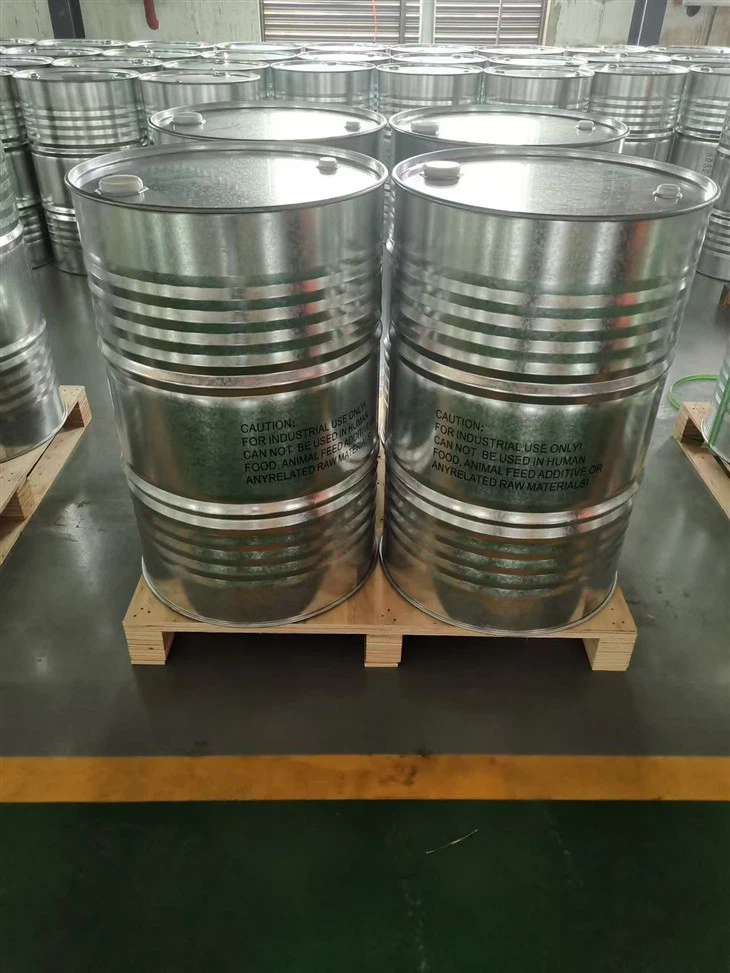
Proper storage and handling are key to preventing spills and ensuring safe disposal. Triethoxyvinylsilane should be stored in a cool, dry, well-ventilated area away from sources of heat, ignition, and incompatible materials. Containers should be tightly sealed to prevent leaks and evaporation. When handling Triethoxyvinylsilane, always wear appropriate personal protective equipment (PPE), such as gloves, goggles, and a lab coat.
Recycling and Reuse
Whenever possible, recycling and reuse are the preferred options for chemical disposal. Triethoxyvinylsilane can sometimes be recycled or reclaimed through specialized processes. Some companies offer recycling services for organosilicon compounds, which can help reduce waste and conserve resources. If you have a significant amount of Triethoxyvinylsilane that you no longer need, consider contacting a recycling facility to explore this option.
Incineration
Incineration is a common method for disposing of hazardous chemicals. Triethoxyvinylsilane can be incinerated in a controlled environment by a licensed waste management facility. Incineration should only be carried out by professionals who have the necessary equipment and expertise to ensure complete combustion and minimize the release of harmful pollutants. Before sending Triethoxyvinylsilane for incineration, make sure to follow all the facility's requirements and procedures.
Landfill Disposal
Landfill disposal should be a last resort for Triethoxyvinylsilane. However, if it is the only option available, it must be done in accordance with strict regulations. Triethoxyvinylsilane should be properly packaged and labeled before being sent to a landfill. The landfill must be permitted to accept hazardous waste and have appropriate liner systems to prevent contamination of the soil and groundwater.
Spill Response
In the event of a spill, it's important to act quickly and safely. If a small spill occurs, contain the spill using absorbent materials, such as sand or vermiculite. Avoid using water, as it can react with Triethoxyvinylsilane. Once the spill is contained, carefully collect the absorbent material and place it in a sealed container for proper disposal. For larger spills, evacuate the area immediately and contact emergency responders.
Training and Education
Proper training and education are essential for anyone who handles Triethoxyvinylsilane. Employees should be trained on the safe storage, handling, and disposal of the chemical. They should also be familiar with the emergency response procedures in case of a spill or accident. Regular training sessions can help ensure that everyone in the workplace understands the risks associated with Triethoxyvinylsilane and knows how to protect themselves and the environment.
Comparing with Similar Compounds
It's also interesting to compare Triethoxyvinylsilane with similar compounds like Tetraethoxysilane and Vinymethyltrimethoxysilane. While these compounds share some similarities, they also have distinct properties that affect their disposal methods. For example, Tetraethoxysilane is a more stable compound and may have different reactivity profiles compared to Triethoxyvinylsilane. Understanding these differences can help in choosing the most appropriate disposal method for each compound.
Conclusion
Disposing of Triethoxyvinylsilane safely is a responsibility that falls on all of us who handle this chemical. By following the guidelines outlined in this blog post, we can minimize the risks to human health and the environment. Remember to always comply with the relevant regulations, store and handle Triethoxyvinylsilane properly, and explore recycling and reuse options whenever possible.
If you are in the market for high-quality Triethoxyvinylsilane or have any questions about its safe handling and disposal, please feel free to contact us for more information. Our team of experts is ready to assist you with your procurement needs and provide you with the support you require.
References
- Environmental Protection Agency (EPA). Resource Conservation and Recovery Act (RCRA).
- Material Safety Data Sheet (MSDS) for Triethoxyvinylsilane.
- Industry guidelines for the disposal of organosilicon compounds.