

As a supplier of Triethoxyvinylsilane, I've delved deep into the fascinating world of this compound. In this blog, I'll explore how the structure of Triethoxyvinylsilane relates to its properties, offering insights that can be valuable for various industries.
Molecular Structure of Triethoxyvinylsilane
Triethoxyvinylsilane has the chemical formula C₈H₁₈O₃Si. Its structure consists of a silicon atom (Si) at the center. The silicon atom is bonded to a vinyl group (CH₂=CH - ) and three ethoxy groups (-O - CH₂ - CH₃).
The vinyl group is a key structural feature. It contains a carbon - carbon double bond (C = C). This double bond is a region of high electron density, making it reactive. Double bonds are susceptible to addition reactions, such as those with free radicals or in the presence of catalysts. For example, in polymerization reactions, the vinyl group can react with other monomers to form long - chain polymers. This reactivity is crucial in applications where Triethoxyvinylsilane is used as a cross - linking agent or a monomer in the synthesis of polymers.
The three ethoxy groups attached to the silicon atom also play a significant role. These groups are relatively large and have a certain degree of flexibility. The oxygen atoms in the ethoxy groups are electronegative, which gives the Si - O - C bond some polarity. This polarity affects the solubility and reactivity of Triethoxyvinylsilane.
Solubility Properties
The presence of the ethoxy groups contributes to the solubility of Triethoxyvinylsilane in organic solvents. The long - chain ethoxy groups can interact with non - polar organic molecules through van der Waals forces. As a result, Triethoxyvinylsilane is soluble in many common organic solvents such as toluene, xylene, and hexane. This solubility property is highly advantageous in applications where it needs to be mixed with other organic compounds. For instance, in the formulation of coatings, it can be easily dissolved in the organic solvent - based coating matrix, ensuring uniform distribution and effective performance.
However, the ethoxy groups also make Triethoxyvinylsilane slightly sensitive to hydrolysis. In the presence of water, the Si - O - C bonds in the ethoxy groups can break, and the ethoxy groups are replaced by hydroxyl groups (-OH). This hydrolysis reaction can lead to the formation of silanols, which can further react with each other to form siloxane bonds (Si - O - Si). This property is exploited in some applications, such as in the formation of self - assembled monolayers on surfaces, where the hydrolysis and subsequent condensation reactions are used to create a stable and well - ordered layer on the substrate.
Reactivity and Cross - Linking Properties
The vinyl group's reactivity makes Triethoxyvinylsilane an excellent candidate for cross - linking reactions. In the presence of free - radical initiators, the carbon - carbon double bond in the vinyl group can react with other vinyl - containing compounds or polymers. This cross - linking reaction can improve the mechanical properties of polymers, such as increasing their strength, hardness, and resistance to solvents.
For example, in the rubber industry, Triethoxyvinylsilane can be used as a coupling agent. It can react with both the rubber matrix and the filler particles (such as silica). The vinyl group can react with the rubber chains through free - radical reactions, while the hydrolyzed silanol groups can react with the hydroxyl groups on the surface of the filler particles. This dual reactivity helps to improve the dispersion of the filler in the rubber matrix and enhance the interfacial adhesion between the filler and the rubber, resulting in better mechanical properties of the rubber product.
Adhesion Properties
The structure of Triethoxyvinylsilane also contributes to its excellent adhesion properties. The hydrolyzed silanol groups can form strong chemical bonds with various substrates, such as glass, metal, and ceramics. The vinyl group can further participate in reactions with organic polymers, creating a bridge between the inorganic substrate and the organic coating or adhesive.
In the field of adhesives, Triethoxyvinylsilane can be used to improve the adhesion of adhesives to different surfaces. For example, when used in a silicone - based adhesive, the silanol groups can bond to the surface of the substrate, while the vinyl group can react with the silicone polymer chains, enhancing the overall adhesion strength.
Comparison with Related Compounds
It's interesting to compare Triethoxyvinylsilane with other silane compounds, such as Vinymethyltrimethoxysilane, 3 - aminopropyltrimethoxysilane, and Hexamethyldisilazane.
Vinymethyltrimethoxysilane also has a vinyl group, but it has three methoxy groups instead of ethoxy groups. The methoxy groups are smaller than ethoxy groups, which may lead to different solubility and reactivity profiles. Methoxy groups are more reactive towards hydrolysis compared to ethoxy groups, so Vinymethyltrimethoxysilane may hydrolyze more readily in the presence of water.
3 - aminopropyltrimethoxysilane has an amino group (-NH₂) instead of a vinyl group. The amino group has different reactivity compared to the vinyl group. It can react with various functional groups, such as carboxylic acids and epoxides, through nucleophilic reactions. This makes 3 - aminopropyltrimethoxysilane suitable for applications where a different type of reactivity is required, such as in the modification of epoxy resins.
Hexamethyldisilazane has a completely different structure. It has two trimethylsilyl groups connected by a nitrogen atom. It is mainly used as a silylating agent, and its reactivity is focused on the replacement of active hydrogen atoms with trimethylsilyl groups.
Applications Based on Structure - Property Relationship
The unique structure - property relationship of Triethoxyvinylsilane makes it suitable for a wide range of applications.
In the field of composites, it can be used to improve the performance of fiber - reinforced composites. The vinyl group can react with the resin matrix, and the hydrolyzed silanol groups can bond to the fiber surface. This helps to improve the interfacial adhesion between the fiber and the resin, resulting in better mechanical properties and durability of the composite.
In the electronics industry, Triethoxyvinylsilane can be used in the encapsulation of electronic components. Its adhesion properties ensure a good seal around the components, protecting them from moisture and other environmental factors. The cross - linking ability can also improve the mechanical strength of the encapsulant.
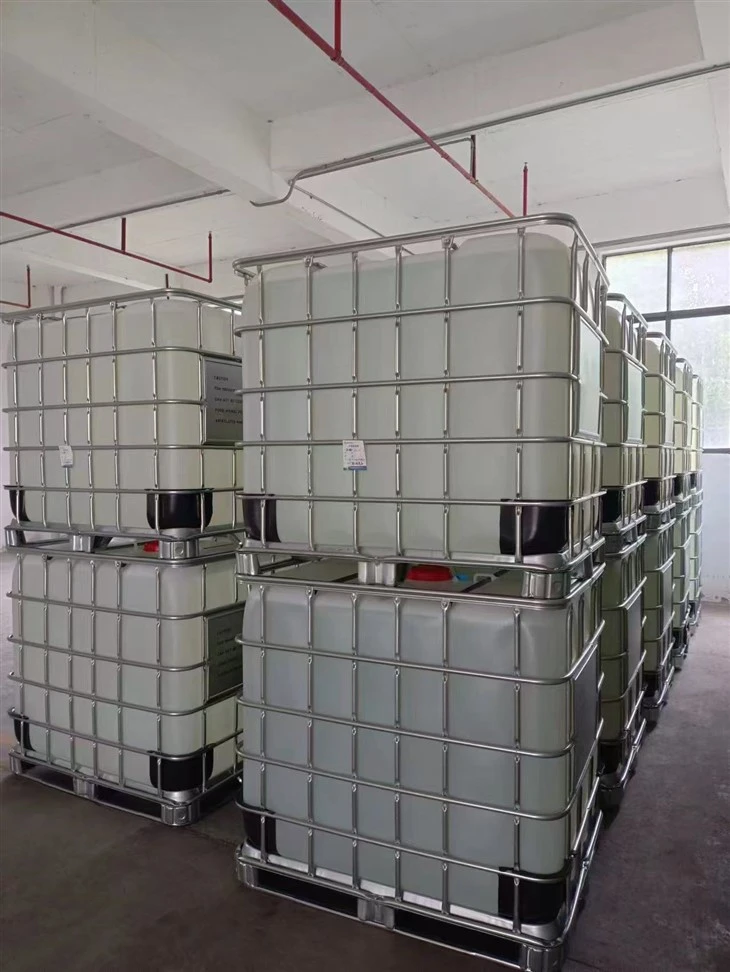

Contact for Procurement
If you're interested in learning more about Triethoxyvinylsilane or are looking to purchase it for your specific application, feel free to reach out. Our team of experts is ready to provide you with detailed product information, technical support, and competitive pricing. We can discuss how Triethoxyvinylsilane can be tailored to meet your unique requirements and help you achieve the best results in your projects.
References
- Plueddemann, E. P. "Silane Coupling Agents". Springer Science & Business Media, 2004.
- Arkles, B. "Silanes and Their Use in Adhesives and Sealants". Adhesives Age, 1977.
- Mittal, K. L. "Silanes in Polymer Science and Technology". VSP, 1992.