

Silicone products have become increasingly popular in various industries due to their unique properties such as high - temperature resistance, flexibility, and chemical stability. As a silicone products supplier, I often get asked the question: "Do silicone products have a long lifespan?" In this blog post, I will delve deep into this topic, exploring the factors that affect the lifespan of silicone products and providing insights based on scientific knowledge and practical experience.
Understanding Silicone and Its Properties
Silicone is a synthetic polymer composed of silicon, oxygen, carbon, and hydrogen. It has an inorganic - organic hybrid structure, which gives it a combination of excellent physical and chemical properties. For example, silicone can withstand extreme temperatures, ranging from - 50°C to 200°C or even higher in some cases, without significant degradation. It is also highly resistant to UV radiation, ozone, and most chemicals, making it suitable for a wide range of applications.
Factors Affecting the Lifespan of Silicone Products
1. Environmental Conditions
The environment in which silicone products are used plays a crucial role in determining their lifespan. Exposure to high temperatures for extended periods can cause the silicone to harden and lose its flexibility over time. On the other hand, extremely low temperatures can make the silicone brittle. UV radiation from sunlight can also break down the polymer chains in silicone, leading to surface cracking and discoloration.
However, compared to many other materials, silicone has a relatively high resistance to these environmental factors. For instance, in outdoor applications such as seals and gaskets, silicone can last much longer than rubber products. In a study published in the Journal of Applied Polymer Science, researchers found that silicone gaskets exposed to outdoor conditions for up to 10 years showed only minor signs of degradation, while rubber gaskets in the same environment had significant cracking and loss of elasticity.
2. Chemical Exposure
Silicone is generally resistant to a wide range of chemicals, including acids, bases, and solvents. But prolonged exposure to certain aggressive chemicals can still affect its lifespan. For example, strong oxidizing agents can react with the silicone and break down its structure. In industrial settings where silicone products come into contact with various chemicals, it is important to choose the right type of silicone that is specifically formulated to resist the chemicals present in the environment.
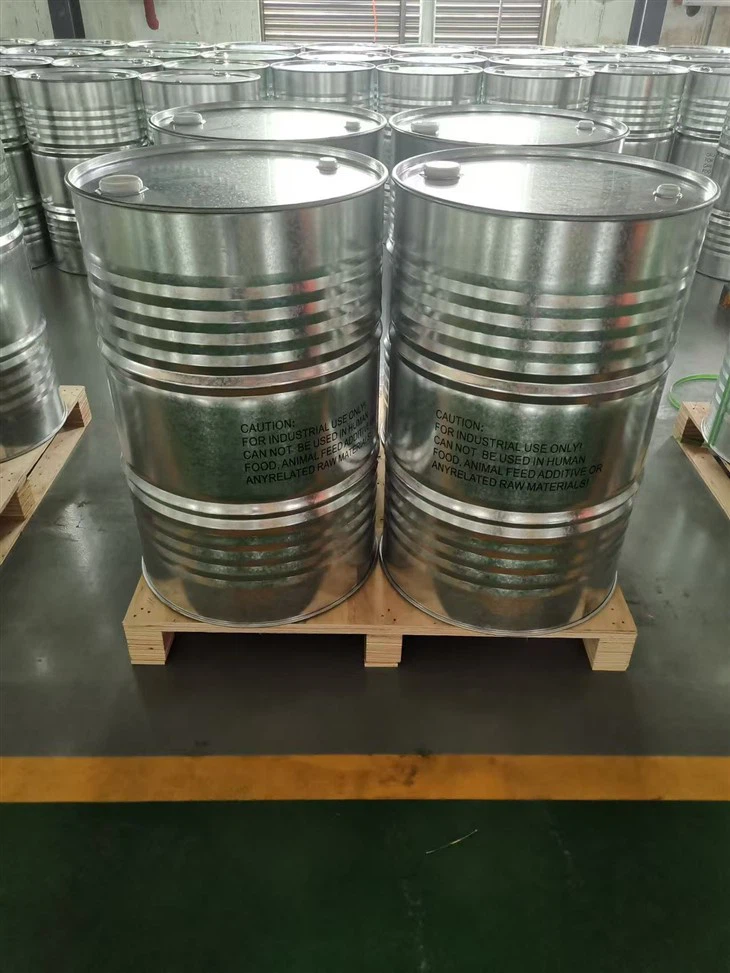
Some common silicone products, such as those used in the chemical processing industry, are made from specialized silicone compounds that have enhanced chemical resistance. For example, Aminopropyltriethoxysilane is a silicone - based compound that can be used to modify the surface properties of materials and improve their chemical resistance.
3. Mechanical Stress
Mechanical stress, such as repeated bending, stretching, or compression, can also impact the lifespan of silicone products. Over time, these mechanical forces can cause fatigue in the silicone material, leading to the formation of cracks and ultimately failure. However, silicone's high elasticity allows it to withstand a certain amount of mechanical stress without significant damage.
In applications where silicone products are subject to continuous mechanical stress, such as in automotive engines or medical devices, proper design and engineering are essential. For example, using thicker silicone parts or incorporating reinforcement materials can help to increase the product's resistance to mechanical stress and extend its lifespan.
Examples of Long - Lifespan Silicone Products
1. Silicone Seals and Gaskets
Silicone seals and gaskets are widely used in automotive, aerospace, and industrial applications. They are designed to prevent the leakage of fluids and gases. Due to their excellent sealing properties and resistance to environmental factors, silicone seals and gaskets can have a very long lifespan. In automotive engines, silicone gaskets can last for the entire lifespan of the engine, which can be up to 200,000 miles or more.
2. Silicone Medical Devices
Silicone is a popular material for medical devices because of its biocompatibility and durability. Medical devices such as catheters, implants, and prosthetics made from silicone can last for many years. For example, silicone breast implants have been used for decades, and in most cases, they can remain in the body for 10 - 20 years or more without significant issues.
3. Silicone Electrical Insulators
Silicone is an excellent electrical insulator, and it is used in a variety of electrical applications, including cables, connectors, and circuit boards. Silicone electrical insulators can withstand high temperatures and electrical stresses, and they have a long lifespan. In power transmission and distribution systems, silicone insulators can last for 20 - 30 years or more, reducing the need for frequent replacements.
Extending the Lifespan of Silicone Products
1. Proper Storage
Proper storage of silicone products is essential to maintain their quality and extend their lifespan. Silicone products should be stored in a cool, dry place away from direct sunlight and sources of heat. They should also be protected from contact with sharp objects that could damage the surface.
2. Regular Maintenance
Regular maintenance can also help to extend the lifespan of silicone products. For example, cleaning silicone seals and gaskets periodically can remove dirt and debris that could cause abrasion or chemical reactions. In the case of silicone medical devices, following the manufacturer's instructions for cleaning and sterilization is crucial to ensure their long - term performance.
3. Choosing the Right Silicone Product
Selecting the right silicone product for a specific application is perhaps the most important factor in ensuring a long lifespan. Different types of silicone have different properties, and choosing the one that is best suited to the environmental conditions, chemical exposure, and mechanical stress of the application is essential. For example, Vinymethyltrimethoxysilane and Triethoxyvinylsilane are two silicone compounds that can be used in different applications depending on their specific properties.
Conclusion
In conclusion, silicone products generally have a long lifespan compared to many other materials. Their unique properties, such as high - temperature resistance, chemical stability, and flexibility, make them suitable for a wide range of applications where durability is required. However, the lifespan of silicone products can be affected by environmental conditions, chemical exposure, and mechanical stress. By understanding these factors and taking appropriate measures to protect and maintain silicone products, their lifespan can be further extended.
If you are interested in purchasing high - quality silicone products for your specific application, I encourage you to reach out to me. As a silicone products supplier, I have a wide range of silicone products available, and I can provide you with expert advice on choosing the right product for your needs. Let's start a conversation about your requirements and explore how our silicone products can meet your long - term needs.

References
- Journal of Applied Polymer Science - Study on outdoor degradation of silicone and rubber gaskets.
- Various technical documents from silicone manufacturers on the properties and applications of silicone products.