

Hey there! As a proud supplier of silicone products, I often get asked whether silicone can be used for electronic applications. Well, let me tell you, the answer is a resounding yes! In fact, silicone has become an increasingly popular choice in the electronics industry for a whole bunch of reasons.
Why Silicon Works Wonders in Electronics
First off, silicone is an amazing insulator. In the world of electronics, preventing electrical currents from going where they're not supposed to is super important. Silicone's high dielectric strength means it can keep those electrical charges in check, making it ideal for use in circuit boards and wiring. It can also withstand high temperatures without losing its insulating properties, which is crucial in electronic devices that generate a lot of heat.
Another great thing about silicone is its flexibility. Electronic devices come in all shapes and sizes these days, from the sleekest smartphones to the most complex servers. Silicone can be molded into just about any form you need, allowing manufacturers to design devices that are both functional and stylish. Whether it's a soft, rubbery gasket or a hard, protective casing, silicone can do the job.
Silicone is also resistant to a lot of environmental factors. It can stand up to moisture, dust, and chemicals, which are all common threats to electronic components. This means that devices using silicone are less likely to break down due to environmental damage, leading to longer product lifespans and fewer headaches for consumers.
Specific Applications of Silicone in Electronics
Let's take a closer look at some of the specific ways silicone is used in electronics. One common application is in seals and gaskets. These are used to keep out moisture and dust, which can cause corrosion and short circuits in electronic devices. Silicone seals are flexible, durable, and can create a tight seal even in irregularly shaped spaces. They're used in everything from smartphones to industrial control panels.
Another important use of silicone is in encapsulation. This is the process of covering electronic components with a protective layer to shield them from the environment. Silicone encapsulants can provide excellent protection against moisture, shock, and vibration. They're often used in automotive electronics, where components need to withstand harsh conditions on the road.
Silicone is also used in thermal management. As I mentioned earlier, many electronic devices generate a lot of heat. If this heat isn't dissipated properly, it can damage the components and shorten the device's lifespan. Silicone thermal pads and greases are used to transfer heat away from hot components, such as CPUs and power transistors, to heat sinks or other cooling devices.
High - Quality Silicone Products for Your Electronics Needs
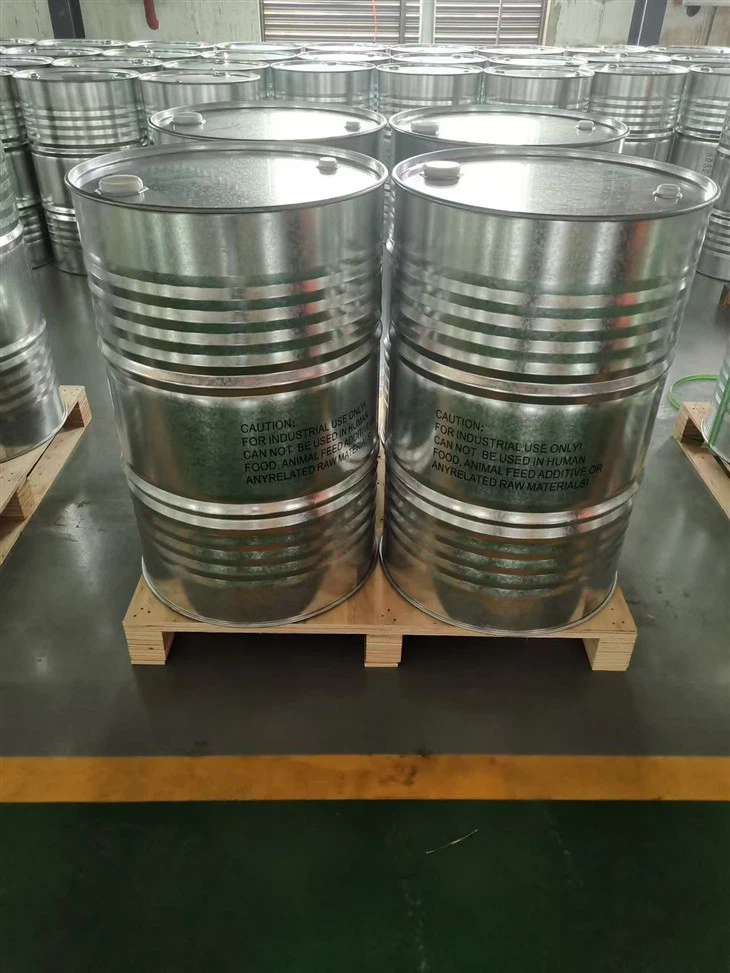
At our company, we offer a wide range of silicone products that are perfect for electronic applications. One of our popular products is Vinymethyltrimethoxysilane. It's a reactive silane that can be used in the synthesis of silicone polymers. In electronics, it can be used to improve the adhesion between silicone and other materials, which is important in applications like sealing and encapsulation.
We also have Ethyl Silicate 28 and Ethyl Silicate 40. These are used in the production of silicone resins and coatings. They can provide excellent protection against moisture and chemicals, making them ideal for use in protecting electronic components.
The Future of Silicone in Electronics
The future looks bright for silicone in the electronics industry. As technology continues to advance, the demand for smaller, more powerful, and more reliable electronic devices is only going to increase. Silicone's unique properties make it well - suited to meet these challenges.

For example, with the rise of wearable technology and the Internet of Things (IoT), there's a growing need for flexible and stretchable electronics. Silicone's flexibility and durability make it a natural choice for these applications. It can be used to create flexible circuit boards, sensors, and even batteries.
In addition, as the push for more energy - efficient electronics continues, silicone's thermal management properties will become even more important. By using silicone to transfer heat more effectively, manufacturers can reduce the energy consumption of their devices and extend their lifespan.
Let's Connect and Explore Your Needs
If you're in the electronics industry and you're looking for high - quality silicone products, we'd love to hear from you. We have a team of experts who can help you choose the right silicone products for your specific applications. Whether you need a custom - formulated silicone grease or a standard silicone seal, we've got you covered.
Don't hesitate to reach out and start a conversation with us. We're here to support you in your journey to create innovative and reliable electronic devices. Let's work together to take your electronics to the next level!
References
- "Silicone Elastomers in Electronics" - Silicone Technology Handbook
- "The Role of Silicone Coatings in Protecting Electronic Components" - Journal of Electronic Materials
- "Advances in Silicone Thermal Management Solutions for Electronics" - IEEE Transactions on Semiconductor Manufacturing