

Hey there! As a supplier of Ethyl Silicate 28, I often get asked if this product can be used in architectural coatings. Well, let's dive right into it and explore the ins and outs of using Ethyl Silicate 28 in the world of architectural coatings.
First off, let's talk a bit about what Ethyl Silicate 28 is. Ethyl Silicate 28, also known as tetraethyl orthosilicate (TEOS), is a clear, colorless liquid with a characteristic odor. It's a silicon-based compound that has a wide range of applications due to its unique chemical properties. In the context of coatings, it's valued for its ability to form a hard, durable film when it reacts with water and other components in a coating system.
One of the key advantages of using Ethyl Silicate 28 in architectural coatings is its excellent adhesion. When applied to various substrates like concrete, metal, or masonry, it forms a strong bond that helps the coating stick firmly to the surface. This is crucial in architectural applications, where the coating needs to withstand environmental factors such as wind, rain, and temperature changes without peeling or flaking off.
Another great feature of Ethyl Silicate 28 is its chemical resistance. Architectural coatings are often exposed to a variety of chemicals, including pollutants, acids, and alkalis. Ethyl Silicate 28-based coatings can provide a protective barrier against these chemicals, ensuring the longevity of the coated surface. For example, in industrial areas or near chemical plants, buildings coated with Ethyl Silicate 28-containing paints are better protected from chemical corrosion.
Durability is also a major selling point. Architectural coatings need to last for a long time, and Ethyl Silicate 28 can contribute to this. It helps in creating a hard and abrasion-resistant surface. This means that the coating can withstand normal wear and tear, such as people walking on floors or objects rubbing against walls, without getting damaged easily.
Now, let's look at some of the technical aspects. Ethyl Silicate 28 undergoes a hydrolysis reaction in the presence of water. During this process, it forms silanol groups, which can then react with other components in the coating formulation, like pigments and resins. This reaction leads to the formation of a three-dimensional network structure, which gives the coating its strength and durability.
However, using Ethyl Silicate 28 in architectural coatings isn't without its challenges. One of the main issues is its sensitivity to moisture. If the coating is applied in a high-humidity environment or if there's too much water present in the formulation, it can cause problems like premature curing or the formation of a cloudy film. So, proper storage and application conditions are crucial. It's important to follow the manufacturer's guidelines regarding humidity levels and application techniques.
Another consideration is the curing time. Ethyl Silicate 28-based coatings generally have a longer curing time compared to some other types of coatings. This means that you need to plan your project accordingly and allow enough time for the coating to fully cure before subjecting it to normal use.
In terms of formulation, Ethyl Silicate 28 can be combined with other additives to enhance its performance. For instance, Hexamethyldisilazane can be added to improve the dispersibility of pigments in the coating. Methyltriethoxysilane can be used to modify the surface properties of the coating, making it more water-repellent. And Vinymethyltrimethoxysilane can help in improving the adhesion of the coating to certain substrates.
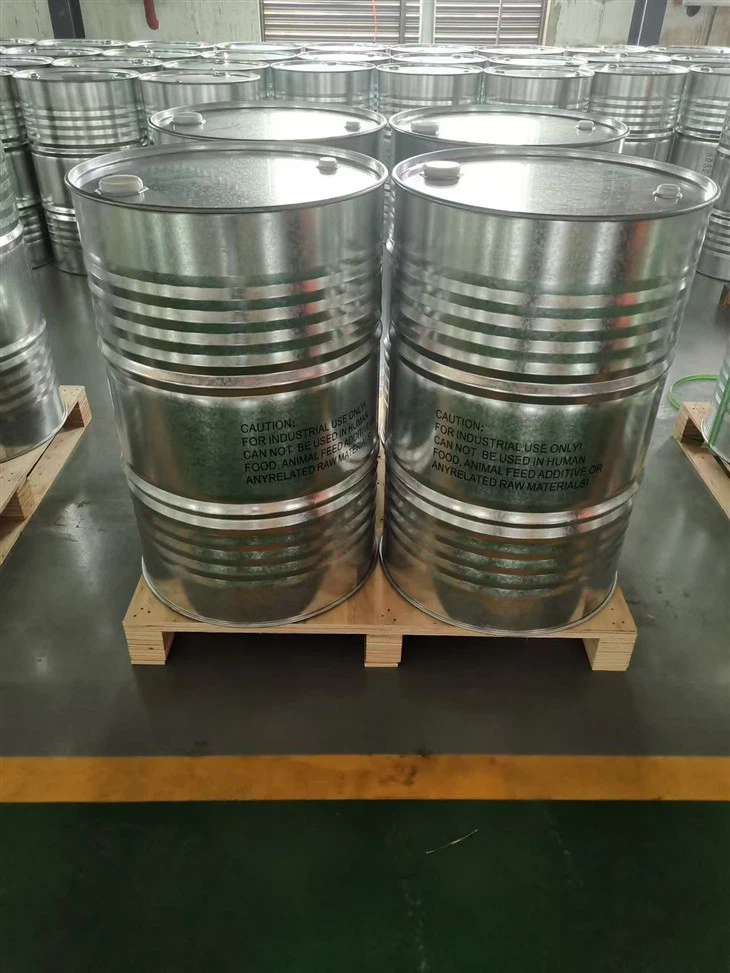

Let's take a look at some real-world examples. In modern construction projects, Ethyl Silicate 28 is often used in high-end commercial buildings. For example, in skyscrapers, the exterior walls are coated with Ethyl Silicate 28-based paints to protect them from the elements and maintain their aesthetic appeal. In historical building restoration, it can be used to protect and preserve the original surfaces while still allowing the building to breathe.
In conclusion, Ethyl Silicate 28 can definitely be used in architectural coatings, and it offers many benefits in terms of adhesion, chemical resistance, and durability. However, it's important to be aware of its limitations and take the necessary precautions during storage, formulation, and application.
If you're in the market for high-quality Ethyl Silicate 28 for your architectural coating projects, I'd love to have a chat with you. Whether you're a contractor, an architect, or a building owner, I can provide you with the right product and technical support to ensure your project is a success. Feel free to reach out to discuss your specific needs and requirements.
References
- "Silicones in Coatings" - A technical publication on silicone-based coating materials.
- "Handbook of Architectural Coatings" - A comprehensive guide on different types of coatings used in architecture.